
February 24 2022-February 23 2023
Do you remember the opening days of this war? A Russian onslaught of air attacks and missile strikes that hit radars and bases across Ukraine the first night. What they didn’t know was that General Zaluzhnyi had moved anything that mattered out of harms way.
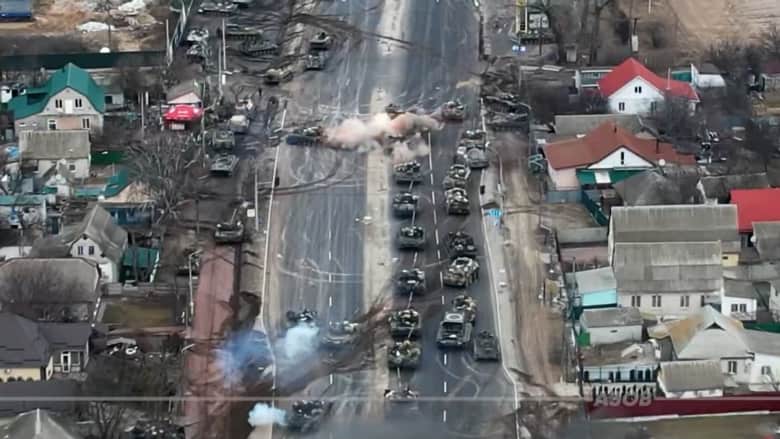
Decapitation failed when the brave defenders at Hostomel airport stopped the Russians in their tracks and ended any hope of them establishing a fast track bridgehead into central Kyiv.
The Russian advance, which had been a dreadfully organised and poorly planned operation kept so secret, only the Americans and a tight circle of Russian leadership numbering maybe four even knew it was happening. American warnings went surprisingly unheeded even in Ukraine’s leadership.
Ukraine’s choice to fight and not to run, clearly defined by Zelensky in person in what will remain one of the standout moments of wartime leadership this century, drew rightful comparisons to Churchill.
Yet everyone wrote them off. On day one I could not find anyone willing to say they weren’t doomed. When I was asked I said that theoretically, Russia will have ended this in maybe 7-14 days if they did it how I would expect them to do it. But they didn’t. And that to me was clear in three days. They missed their chance, the question now was how would this unfold?
By day five everyone knew for certain the Russians had screwed up. Whatever they were doing it was going wrong everywhere and Ukraine’s Bayraktar drones were massively influential. As were the brave soldiers with their N-LAWS and Javenlins – two systems you barely even hear mentioned now – taking down tank after tank after tank and more.
The Russians slowed down and had no choice but to – they ran out of fuel. They were made to look foolish and the world watched in awe as Ukraine somehow drew together and stymied their advances, aided by a level of calamitous incompetence rarely seen in military history. What were the Russians thinking? Of course it quickly became apparent that deep corruption in the military was the core of the problem, it was, and remains endemic.
By March-April it was such a débâcle that Russia withdrew from most of the north and Kharkiv. They left behind torture chambers and executions.
Both sides raced to establish defence lines and trenches as things stabilised. By September Ukraine detected weakness in the north and in Kherson. Almost unbelievably they launched a highly mobile counter offensive in the north-east that caused the Russians to panic and abandon vast tracts of land they still haven’t recovered- Lyman & Kupiansk were key gains.
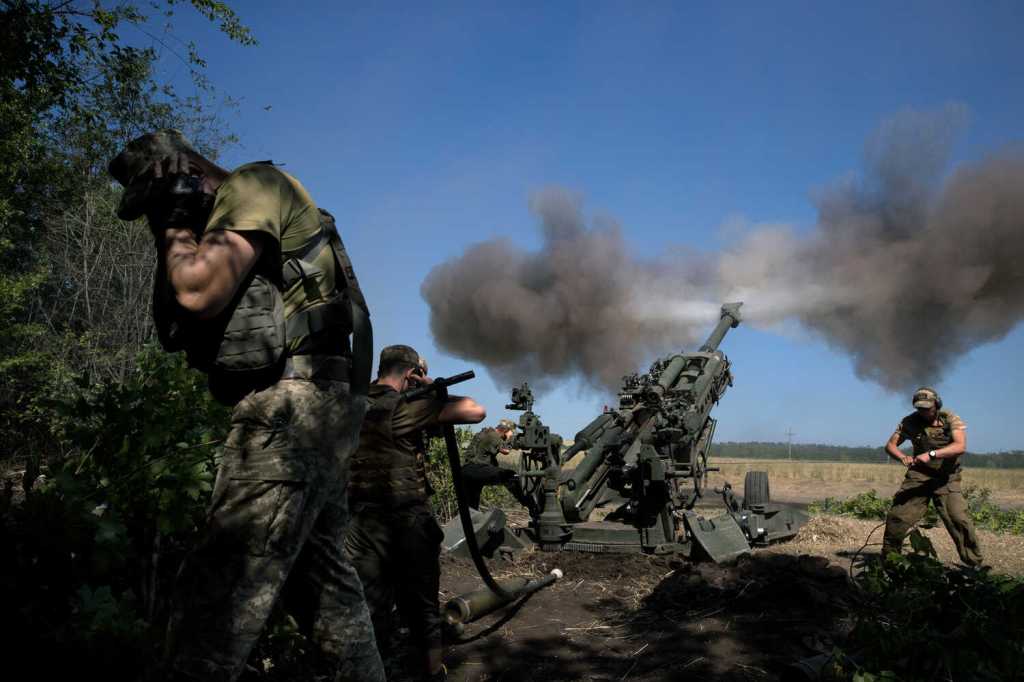
Behind the scenes the Putin regime was panicking about the scale of the retreat and the Americans got wind of them discussing tactical nuclear weapons use – scrambling high ranking CIA and senior diplomats to Moscow. They made it clear if they used such a weapon then the US and NATO would strike Russian forces conventionally across the whole front. Russia did nothing.
In Kherson, despite the battle being far harder than in the north, Russian General Surovikin, the infamous Butcher of Aleppo, advised retreat over the Dnepr in an agonizing staged TV spot speaking to Gerasimov. The Russians pulled back taking everything from washing machines to a fun fair train with them.
The war at sea was one where Russia simply could not conceive of being challenged. They had very noticeably moved warships from the North and Baltic Fleets to the Black Sea – which is why I was convinced they would invade back in November 2023. That and the size of the army they’d mobilized – you don’t spend that much time, effort and money if you don’t have the intent. The loss of the Moskva – a large if not exactly modern Slava Class Cruiser, was a staggering and humiliating setback. A Russian court in the last few days has finally admitted it was sunk by missiles and wants the Ukrainian officer who ordered it arrested and millions in compensation. It was just a precursor to what was to come that’s changed naval warfare for ever. And let’s not forget the Snake Island Finger!
In year one the war was relatively mobile, dominated by Russia’s huge advantage in artillery that was in the region of 30:1 and they used shells like there was no tomorrow, regularly firing 60,000 a day. The solid and inflexible Russian command system struggled to deal with Ukrainian innovations, courage and the maximisation of their assets, despite the fact they were totally outnumbered and dependent on western military aid. The lack of western readiness was held up in stark relief too, leaving many deeply embarrassed by the state of European defences.
By the end of the first year the war was very different.
February 24 2023-February 23 2024
The frontlines in the south were largely static, it was in the east that the fierce battles raged. This is the year that the comparisons to World War One were most prevalent, and rightly so. Drones were having an impact as early versions came online, but it was soon a battle of artillery – which Ukraine lacked in terribly, and made all the difference to the Russians. Quickly both sides realized that drones and tanks and Javelins don’t mix well. Despite demanding main battle tanks and eventually getting them – lets not go into Putins clever campaign of red lines and threats, including repeated nuclear weapons use intimidation – it was not a war of armoured thrusts and parries. It soon became clear that vehicles like the Bradley M-2 were actually far more useful than the heavy western MBT’s. They had a place if you could find it, but it was highly dependent on drone cover – or the lack of it.
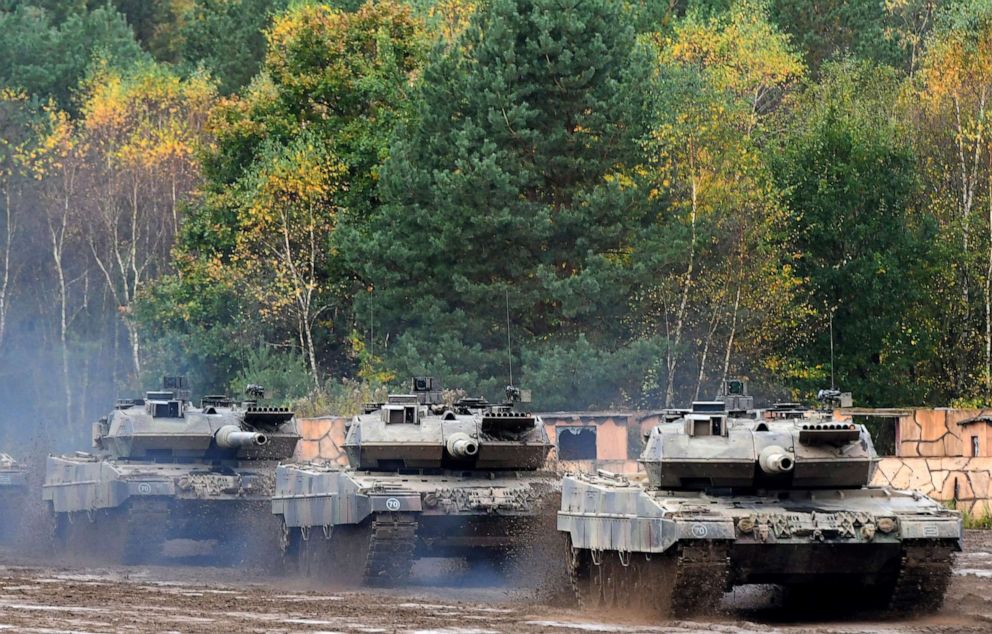
At the strategic level the worst kept secret of the war was Ukraine’s planned operation against the Russians in the south. For some reason it was decided to allow everyone and their mother in law’s best friend to know where it would be and the Russians spent months digging defences that became known as the Surovikin Line – could anything sound more like WW1?
The whole thing was a well planned failure. Ukraine launched an attack that was basically based on NATO combined arms warfare – without the one thing that would have actually made it viable – air power. We watched as the Ukrainians, quickly seeing the losses of Leopard-2’s and armoured units, often to just a handful of Russian Alligator helicopters that hovered in the distance picking them off, realized they could not carry on like this. The Alligator bases quickly became a target of longer range drones and bit by bit they were destroyed – too late to make a difference. Ukraine changed its tactics to its own version of assault baked by either sniper tanks or close in combat support tanks.
The Russians put their best VDV troops into the trenches – and in doing so wiped out the creme de la creme of their army, they were an elite and they were good, but the attrition of the type of warfare being waged, the relentless artillery and often close combat as each side would fight each other in the trenches, took a toll. They’ve never been the same since. Their commander was cashiered out because he complained about conditions, losses and lack of equipment. He’s now in prison.
Through that whole time – the village of Robotyne stands out – Ukraine made a dent in the line – and as the offensive petered out, it was clear that it was a salient that could not stand. If you’re attacking a salient is like a balloon that has resources being blown into it and forces its expansion. As soon as you stop, the balloon risks external pressure and collapses. Over the following autumn/winter the Russians made it untenable. By January 2024 it was gone.
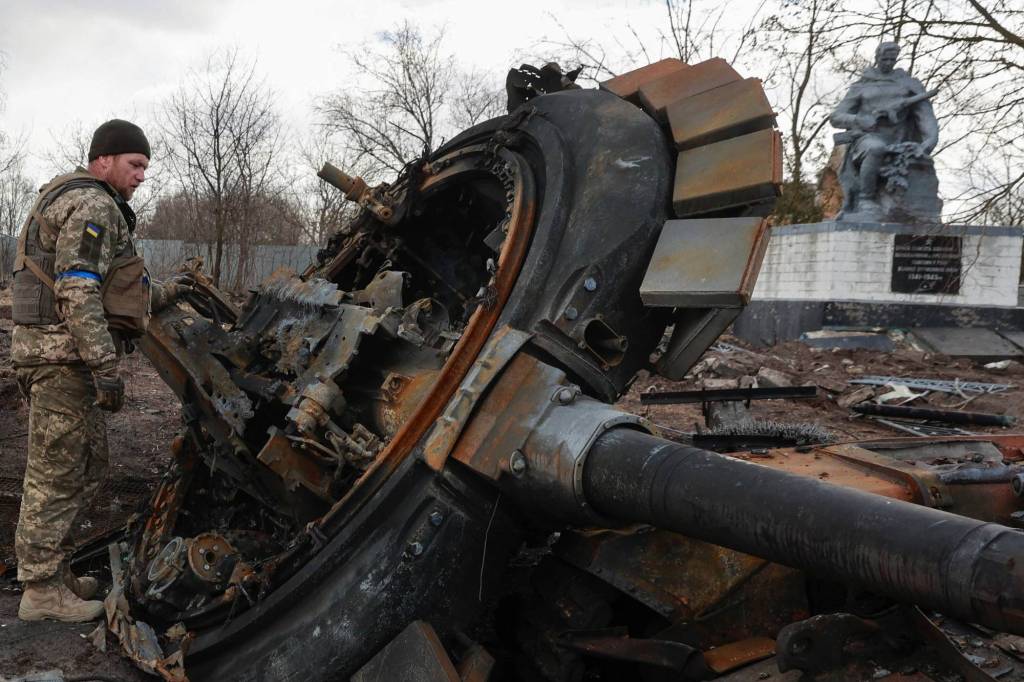
At some point in mid 2023 the Ukrainians began a strategy they have never stopped since. A relentless attack on Russian artillery systems with drones. Hunting them down and destroying them was a prime objective and still is. It’s been one of the most successful and persistent campaigns they’ve waged, indeed relentless is hardly the word. It’s way more successful than that. Over the years they have reduced a Russian advantage in heavy guns from 30:1 to what’s now estimated to be 1.1:1. Its not just that they destroyed almost all the heavy and medium artillery, its that they erased it so quickly, before long the Russians were having to drag out 1950’s D-30 towed artillery from reserves – and that is now their principle artillery piece. They regularly lose as many as 30 a day, so how long they can go on is hard to imagine.
The loss of artillery has been so impactful – while Ukraine has managed to retain most of what it was given and what’s been delivered new – that its actually largely responsible for the way the war has transformed in 2025-26. Russia completely lost its artillery edge and it’s never getting it back.
2023 Was also the Year of Himars. Once they arrived in numbers the Russians learned quite quickly that their heavy reliance on front line ammo dumps and supplies was totally untenable. Troops and commanders concentrating anywhere within 50km of the front line were incinerated so fast the shock was palpable. HIMARS had a huge impact but now it’s so routine it’s barely mentioned.
Early–Mid 2023: We saw the final phase of the Battle of Bakhmut. The urban battle, which had begun in 2022, culminated in extremely intense fighting through winter and spring 2023, with Russian forces claiming control of most of the ruined city by May 2023. It had been an old fashioned artillery and block by block siege that took 75,000 Russian casualties – mostly from Prighozhins prisoner army who were decimated, but in the end they were successful, although their prize was and will likely remain for decades, nothing more than a pile of rubble. Flank fighting around Bakhmut from May 2023 was intense. Ukraine launched local counterattacks on the northern and southern flanks around Klishchiivka and other nearby villages as part of the broader 2023 counteroffensive effort, and the were largely successful but consumed huge resources Ukraine couldn’t really sustain and in the end they were all lost over the following winter.
The next big battle and perhaps Ukraine’s worst defeat was Avdivka over the winter of 2023-4. This was Russia’s last big operation that was reliant on the old mix of armor, artillery and masses of infantry thrown into battles without care or consequence. It was also where old school Ukrainian commanders who worked in the same way the Russians did in the field, proved their dated concepts and lack of cooperative spirit and communication could be disastrous.
There was also a degree of incompetence in assuming that the area was so heavily defended and had held out for ten years it would not be easy to break and the Russians would suffer terrible losses. It was here that the Russians developed their ‘spike’ tactic and mixed it with infiltration. The spike here was a pipeline that went under the Ukrainian defences in the south into the town, and the Russians came up behind the defenders into the central urban areas. They repeated this in the NE corner but on the surface. They drive a spike of men into a weak point then when its about 1km deep, they start to push ahead while widening the spike until its a salient. They have used this many times since, and I could never understand why the Ukrainians didn’t cut them off at the base before they expanded. The next spike was to prove not only highly effective, but exposed Ukrainian command and control weaknesses in the field the Russians had worked out how to exploit.
As Avdivka collapsed – much of it due to the sudden cutting off of US artillery shell deliveries caused by a Republican refusal to provide more funding that lasted six months, the Russians struck again. Ukraine had no back up to Avdika, no defence lines to retreat to and as the salient fell and the line straightened, the Russians launched a spike attack in their NW corner, right between two brigades in the middle of a rotation, where two old-guard Ukrainian commanders failed to coordinate. One withdrew without the other immediately replacing them, opening up a key rail line to infiltration – the perfect route. The Russians used the confusion and the line to push fast and deep, quickly forcing another retreat, that because of the lack of defensible areas led eventually. to Pokrovsk. It was also the start of a process where Ukraine eventually reorganized into a Corps command system rather than individual brigades.
By now everyone knew the significance of drone warfare and the electronic warfare field was another intense battle that raged silently but with vicious intent. The Russians were exceptionally good at EW and always have been, but the complexity of their systems – especially the truck operated manned systems with their big arrays made them drone targets and they were depressingly expensive to lose, often taking a year or two to build a single system. They had played havoc with HIMARS – spoofing the GPS guidance, and they’d rendered the $8,000 a shot Excalibur GPS artillery round completely useless. Yet over a a period of nine months Ukraine destroyed almost all of them, and now they’re unheard of, time and money make them unviable. But smaller more mobile packs and systems soon made up for it, though nowhere near as effective, Russian EW was largely defeated not because it doesn’t work, but because they don’t have the means to produce enough of it and Ukrainian drone strikes have destroyed the factories. Then drone warfare changed again.
The strategic war also heated up this year – mostly Russian attacks but they were smaller and far fewer that they would later become.
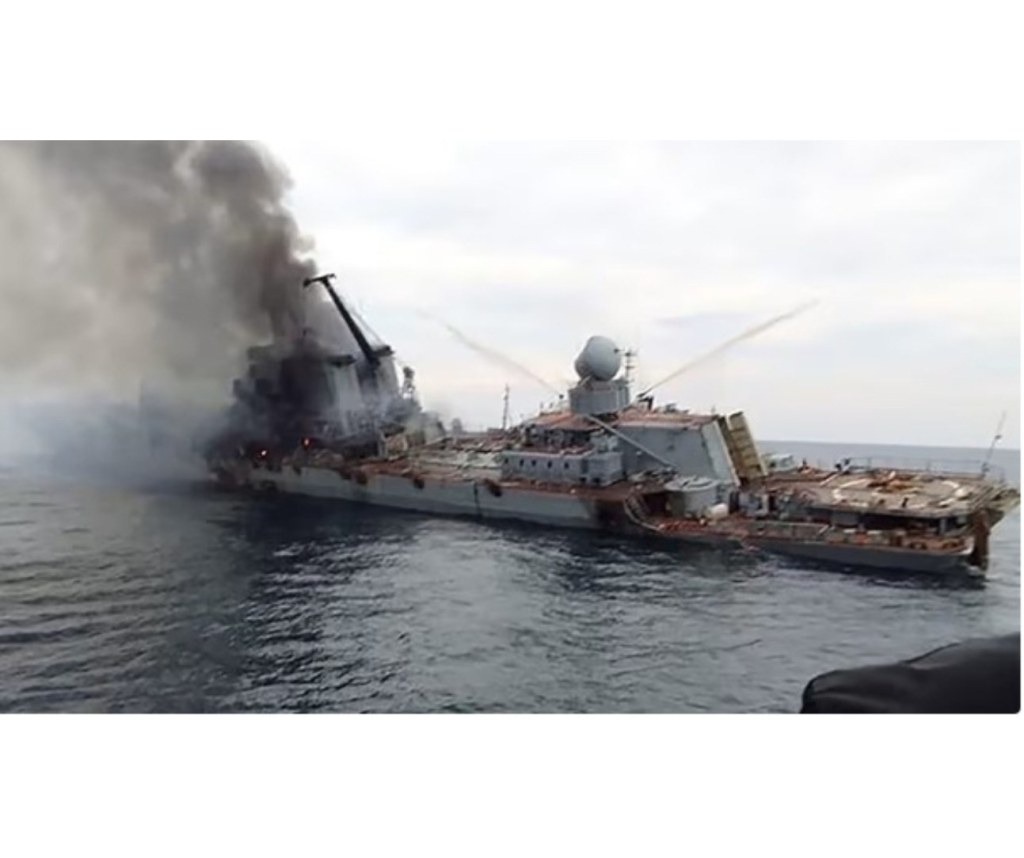
At sea the country with no navy at all started to impact the Russian surface fleet on a scale nobody had foreseen. Sea drones found ample targets and caused severe damage to several warships. British missiles slammed into the Black Sea HQ and killed the fleet commander in his office as the missile flew in through his window – all caught on video. Another Stormshadow struck a Kilo class submarine and effectively removed it from the war. The Russian fleet began to hide further and further away until it eventually blockaded itself into Norossiysk naval base in late 2025 – but only after drones had hit another submarine. A country without a manned naval vessel of any kind dominated the entire northern Black Sea with drones and negated the use of the enemy fleet. It’s a staggering achievement and one not lost on navies across the world. Who would now ever be willing to fight in confined waters like the Persian Gulf ever again? It’s no coincidence that since then US carriers don’t enter but remain outside. Ukraine demonstrated and everyone took note – especially Iran.
By the end of 2023 and the start of 2024, the war was noticeably starting to change, moving slowly away from the massed artillery to the intensification of drone use and the motivation for this move came largely from Ukraine. Western allies simply could not make artillery ammo on the scale it was being used. Ukraine was eating through an entire year of US production in ten days – and even then that was by rationing themselves to 10,000 shells a day, often less. Europe was scaling up and building factories but they were 12 months from running at full capacity. A worldwide race for old Russian ammo of the 152mm variety especially, was the center of a global spy agency war as the Russians tried to get to it before the west did. The retail cost of a NATO standard 155mm shell rose from $800 to around $3,300. It said a lot about who was willing to sell to the west (almost everyone who could if the Russians didn’t know about it publicly) and they did. The Czech Initiative in finding shells worldwide was critical and surprisingly successful. Even Russian allies like Serbia were happy selling new shells to the Ukrainians. But it took time, and in the meantime drones alone wouldn’t cut it – yet.
February 24 2024-February 23 2025
The year started badly with the fall of Avdika as stated above. Russia advanced more at this point than it had in the past two years. The artillery issue and the lack of European combat vehicle aid – there were none left to send from what little was readily available. Artillery shortages and the Russian preponderance of it – reducing but still significant, put Ukraine in a dark place. The Russians launched an attack into Kharkiv which amazingly the Ukrainians were able to stymie at Vovchansk and gave the Russians another bloody nose. The Russians were on the offensive almost everywhere for months on end – but it’s notable that everything they tried to do was challenging them in the extreme. Tank numbers had collapsed, even the BRDM & BTA IFV/APC numbers were now in sharp decline. The scale of the offensive and its failure to make decisive gains, excessive use of badly trained (if they even were), manpower of low quality saw casualties spike, reaching a point of just over 2,000 per day.
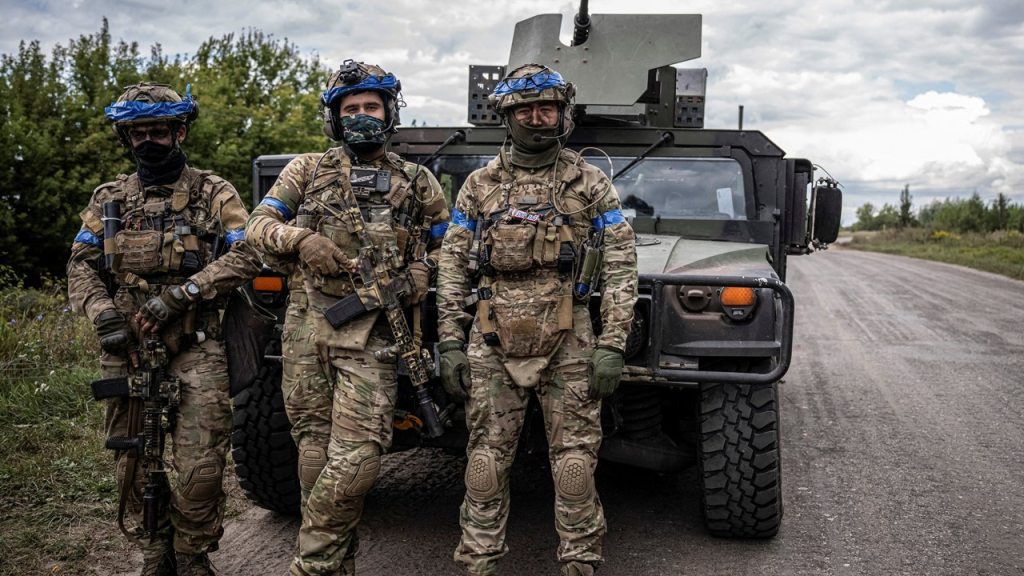
Yet the strain was showing. Ukraine was having a hard time, it needed a break, it needed to do something to change the narrative. The artillery issues were easing slowly, but to be fair they only started to improve markedly towards the end of the year, Ukraines increased at the very point the collapse in Russian artillery numbers from constant drone strikes was really having an impact. The playing field was starting to level but not enough yet. Something needed doing, and not just that, but after years of war Ukraine was no longer the hot topic. It was relegated to a minor note in the news, in-depth coverage was gone. Media had moved on. They needed to get it back into the news and remind everyone it was still a big deal and did matter. Worse still Moscow was always somehow able to get its message across and claim it was winning almost whenever it wanted to.
The decision to invade Kursk was to my mind reckless and wasteful. I wrote lengthy pieces explaining what would happen, because I know how the Russians think. They knew it was a distraction and they knew it would never go that far, but it was embarrassing, Putin was furious.
I wrote that the Russians would sit it out and when they had the forces together, then they would act. They were forced to move a little earlier after the Ukrainians lightning advance into what was basically an undefended area. Somehow the Russians had evaded intelligence reconnaissance in the NW of the salient and the Ukrainians found themselves up against a vastly more powerful force at Kornovo than they imagined possible, which chased and pressed them back, notwithstanding the usual Russian incompetence and losses. The following months the Russians took their time – they weren’t in a rush, because as I had predicted, what the Ukrainians saw as a distraction for the Russians, they now saw as a distraction for the Ukrainians. The last battle came not long after Trump came to office, at a time when he cut off intelligence sharing to force peace talks. This happened to be a coincidence but it was not the cause, although you’d be hard pressed to persuade the Ukrainians on the ground at the time. They even thought the Americans were telling the Russians where their positions were, they were not, but you can forgive them their feelings.
The fact was that the Russians had been patient – they were ready with a new type of drone and a new regiment trained in their use. They defied Ukrainian jamming capabilities which were considerable. This was the first use of a combination IR night drone and fiber optic controlled FPV’s. They were devastating, the Ukrainians were almost routed. They’d never experienced such coordination and devastation from the Russians – a new age in the drone war had begun. It was also a warning to everyone that you should never write the Russians off – they can occasionally surprise and innovate but they’re remarkably slow to do so. When they do it can be game changing.
Kursk was hugely controversial. It was started for all the wrong reasons and was cooked up on what the British in WW2 would have said, was ‘on the back of a fag packet’, i.e. you can’t write much on a cigarette packet so its very low detail. However once it was underway it did give everyone a lift and it did get headlines – but militarily it used up vital kit they could not afford to waste on such an adventure whose strategic goals were unsustainable. The later excuse that they were doing it to have territory to exchange in peace talks, was blatant nonsense because they were never going to be able to keep it. However as it dragged on into early 2025 it was actually proving useful occupying Russian troops in large numbers. But that had never been its purpose. My other point was now they’d opened up the front, once the Russians had pushed them out they would follow over the border and they did, though not as exploitively as I thought they might. They were too busy with being bled white on other fronts.
Kursk was poorly conceived. The Ukrainians got lucky, the Russians reacted exactly as I said they would, and they surprised Ukraine twice. From Ukraine’s point of view it was morphed into what it had never intended to be and became oddly successful despite itself. Yet when the end came it was shockingly bad for Ukraine and the Russians had revealed their hand with the FO-FPV drones. Nobody grabs a technical innovation and runs with it as fast as Ukraine does, and once they realized the significance of FO drones in the space of nine months they’d come to dominate the battlefield, with tens of millions of kilometers of FO cable criss-crossing the front lines. Radio control has almost vanished. A new environmental problem though, has arrived for the future to resolve.
February 24 2025 – Jan 2026
2025 is the year things started to change. The Europeans, castigated for their sloth and their apparently risable arms industries, began to deliver quietly and without fanfare. The age of Russian asymmetric warfare had dawned out in the open, mysterious drones over sensitive western facilities, explosions at arms factories, train derailments, even attempted assassinations. The fact that much of this has ceased seems to have gone unnoticed in the media. Ask how? Nobody does. Nobody is going to tell you either, but don’t underestimate the capabilities of western security services – we always do and we should not. Their work is done in silence.
Neither should you underestimate what we can achieve when we put our minds and money to it. It was always going to take time. It did in WW1 and WW2. Peak production only reached its zenith in the last months of both wars. If you don’t believe me, Rheinmettal is now producing 1,500,000 155mm shells a year. That’s up from almost zero. Just Rheinmettal, never mind the other nine companies across Europe and two plants in America.
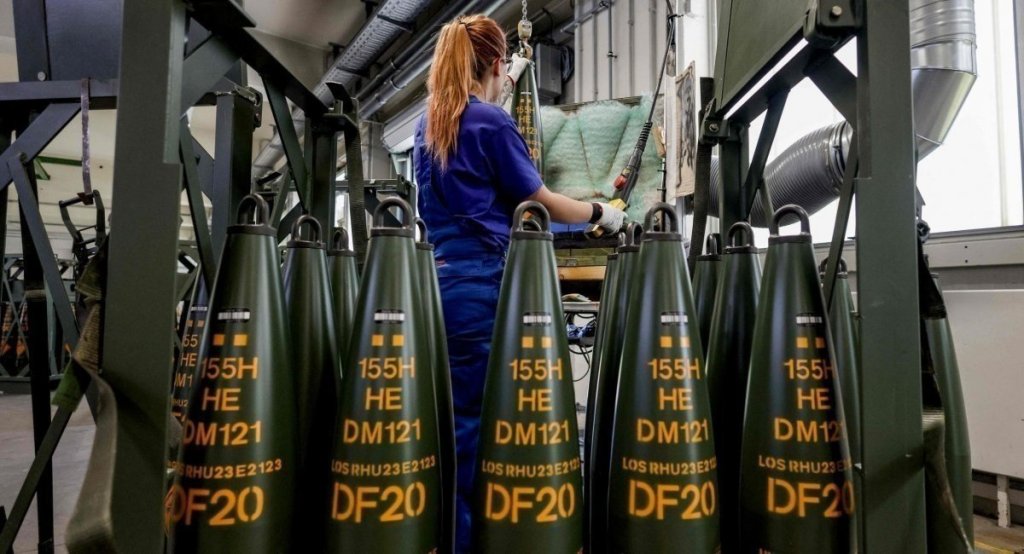
For reasons I can never always explain, I am immensely proud of that achievement as a European. The same way I’m delighted at the consistent training western armies have provided to Ukraine, the same way I admire how Britain went about bringing StormShadow back into production – effectively having to re-source almost every component from scratch. It annoys me no end though when France refuses to allow European funds to buy the missiles for Ukraine. It’s just so short sighted.
There longer term plans of Ukraine to produce its own weapons has also begun to bare fruit, with some 505 of its ammunition needs built domestically, and 98% of its drones. Indeed it produces so many its offering small quantities for sale abroad.
The Europeans have invested in weapons and ammunition, especially SAM systems and they produce them in record numbers.
2025 was also the real start of the restoration of the Ukrainian Air Force, with F-16’s in strength backed up by more Mig-29’s and French Mirage 2000’s. (An announcement this week will see yet more of these supplied). Add to that the arrival of Swedish AEW aircraft and the whole force has been vital in defending Ukraine from Russian air attacks – their fighters and attack planes rarely come near now. The age of the Su-25 Frogfoot and its close support missions so typical of the early war have gone.
The air war generally ramped up hugely in 2025. Glide bombs have now reached the point Russians are dropping them over 100km back from their targets. They’re beyond interception at launch, though new anti drone and glide bomb systems are coming on line. Glide bombs are and will continue to be Russias most lethal front line weapon.
The Ukrainians carried out one of the most stunning operations of the war (they’re so extraordinarily resourceful, my admiration is vast), by launching truck loads of drones at Russian strategic bombers and destroying most of the Tu-95 fleet deep inside Russia at their air bases. I don’t know anyone – even the Russians – who wasn’t struck by the shear gall of such an operation. It was stunning, Operation Spiderweb was a tour de force.
Yet the most significant campaigns were equally devastating in different ways, and they’re ongoing. Russia is obsessed with cutting of Ukraine from its electricity grid and hammers the country day in and day out. It’s probably the greatest threat to Ukraine as a whole. It won’t break them but its incredibly difficult to manage at every level of life in the country, especially Kyiv that’s taken the brunt of it and Odessa where its almost as relentless – Russia sees the city not just as a key port, but as a majority Russian speaking zone that’s betrayed the motherland and they’re determined to punish it. Its essentially terrorism.
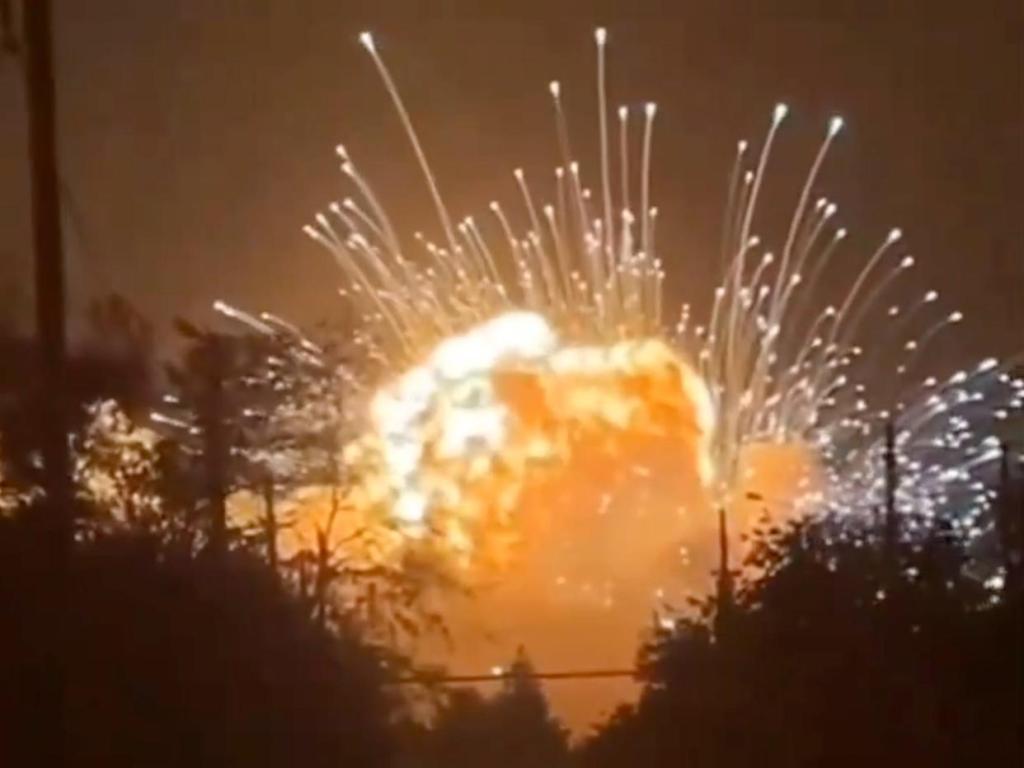
Ukraine on the other hand has relentlessly attacked Russian oil refineries, storage and export facilities and its had a huge impact on the Russian economy. That tied to improved sanctions enforcement and a newfound willingness to deal with the Shadow Tanker fleet is crucifying Russian oil exports. 50% discounts are now common as they increasingly struggle to find tankers to ship their oil abroad. Some 210 million barrels is at sea with nowhere to go, which with reduced loading capacity, reduced loadings in general, storage facilities destroyed and refineries damaged, can only mean shutting down wells as a last resort. Ukraine has been hugely successful – and it’s not just that. By hitting the factories, the power stations, the electricity grids, the chemicals and electronics plants, let alone some of the biggest non-nuclear explosions ever seen as they detonate repeated Russian ammo depots – its had a huge impact on the war.
Several times we have now seen Russian offensives called off or terminated because of frontline ammo shortages. Its not that they don’t have the ammunition, if anything Russia is drowning in artillery shells and always has been, its own production is said to be 3,000,000+ 152mm per year, never mind smaller ammo and what N.Korea supplies. The issue is that Ukraine’s years long campaign against artillery has reduced the barrel count – and the quality of those systems to such a low level it almost doesn’t matter what they’re producing because they can’t fire what they have. It is that bad. Add to that degraded logistics and Russian artillery has gone from the God of War to a side note in the space of four years. It is not what it was and that’s a huge achievement. It’s also why the glide bombs matter so much to the Russian campaigns.
2025 saw the ending of American support, the specter of Trump bending over backwards to get Putin to agree to peace while bullying Ukraine into it. The cycle of peace plans that Putin has side stepped over and over is now running at four with a fifth under discussion. Putin wants what Ukraine won’t give him – central Donbas and as I type this Krematorsk looks to be next on their list. Divisional units are being reassembled and anyone who’s anyone recalled to duty. Even those who escaped and served out there contracts are now being recalled. D-Grade units are being reactivated for service and considered fully active. Some 80,000 men are being grouped for a major push. Yet I’m not sure the Russians understand how the war has changed even though they were instrumental in creating that change.
Through 2025 the Russians began using smaller groups of 2 to 4 men in endless infiltration operations. They were happily letting group after group get massacred by drones as long as 1 man in each group reached the target – eventually enough would get through to form a critical mass and move forward. The cost in manpower as usual, was massive.
This use of smaller and smaller groups derived from the spike attack concept was successful to a point. The loss of armor was now almost complete. Tanks dressed up in anti drone protection systems designed by the Mad Max prop studio weren’t surviving any more than they had before – the quantity of drones available overwhelmed them. APC/IFV type vehicles had largely been made extinct and no amount of domestic production was ever going to make it good. Bikes and ATV’s, even golf buggies, all from China, were and are primary transport. Russians riding into battle on horses, mules and even a Bactrian Camel are real, that’s how bad it’s become. The entire Soviet 1950-1990 reserve arsenal totaling some 100,000 vehicles is gone, 22,000 tanks alone lost to combat.
With these Russian tactics which had developed over the course of the war, the frontlines broke down as trench warfare was no longer viable. Ukraine with its undermanned army didn’t have the resources to maintain such lines anyway – as was proven in Pokrovsk, where brand new trenches and fortifications were simply overrun.
The solution was a mix of overwhelming FO-FPV numbers – losses to jamming were now zero – and stronghold points, mostly in small settlements, a layer back from small settlements the Russians had as objectives. This has had the effect of widening the combat zone to as much as 25km in places, so the actual area of control, once avidly watched day by day on You-Tube, on channels like ATP Geopolitics, simply could not be tracked accurately. It’s now a grey zone, which of course the Russians always claim, but the reality is they no more control it than they do Kyiv. Ukraine is using increasing numbers of ground robots mixed with a drone strategy of wiping out anything and everything in a wide band 25km deep behind Russian lines – with plans to increase that to 50km then100km. Deliberately kill 50,000+ Russians per month and render their ability to move without crucifying losses almost to nothing. Backed up by heavy artillery stationed out of most Russian drone ranges, denying the option for Russia to overwhelm a singular point in a mass meat wave is the goal. They will mow them down before it’s even possible to reach their target. Once it’s reached the point the stragglers are left, only then will Ukrainian infantry emerge to tidy up the stragglers.
The system is working – it worked in Kupiansk late in 2025 and its working in other areas. Kupiansk is worth mentioning because it was a seminal moment in the war for Russia. Its leadership from Putin down was humiliated by claims of outright control of the town that were ridiculed by those at the front as untrue – only for Zelensky personally to make it perfectly clear Russia was not in control. It was a moment where the regimes weakness, its failure, its lies and reality all clashed hideously in public, on live TV.
The battles for Pokrovsk have morphed over time into a new kind of warfare as examined above. Absolute control has not been achieved and that’s something the Russians have struggled with. Ukraines defensive capabilities are extraordinarily good, and the certainties the Russians had about their tactics are gone. Coming up with a counter to what Ukraine is doing, when you’re the offensive force and you’re the one who has to reveal yourself if you’re to achieve even even a modicum of success, places you at a steep disadvantage to what appears ever more increasingly like a wall of death powered by drones of every type you can do little about.
Recent images of Russians trying to mask their thermal signatures in harsh snow and ice conditions using outfits, like a thermally shielded penguin, or wandering around in thermally shielded one-man tent-like contraptions shows you how desperate they’re becoming.
Only today I was reading reports of how Russian troops face diabolical commanders who bribe them at every opportunity to keep them from the front, extracting millions of roubles from their soldiers. One was describing how they put grenades on the bodies of those commanders have shot for refusing to go to the front when they can’t pay. The grenade simulates a drone strike sufficiently well to hide the realities.
The Russian troops complaining that the rifle has almost become a waste of time because they never get to use it and these days; ‘you never see a Ukrainian’. All they know is freezing weather, a lack of food and filthy water from puddles and ponds, bribery and corruption, that drones are everywhere and seeing one essentially means you have probably seconds left to live. HIV is rife, along with tuberculosis and Hepatitis B. The Russian army is dead men walking.
Some of the video, as they attempt to hide before meeting their doom is quite harrowing to watch. You can see the fear. The man who sat on a wall and watched quietly, barely moving, his legs just swinging slowly, you can see his head tracking the drone as it approaches. You can tell the operator was thinking twice about it – he slowed down and waited a second or too that seemed like doubt – the soldier made no move to defend himself, he just waited and watched. Then it was over. I’ll never forget that one.
Over the coming months there will be hundreds of thousands more such cases.
The war has entered a new phase, the terminal phase. If it’s allowed to carry on until its conclusion there is only one loser. For this war, like World War One is going to end the same way for the same reasons.
Despite having the better army on paper at the start and many advantages, that army has gone. It is now low level largely unwilling conscripts and contractors only fighting because they have no choice or they’re being paid.
The enemy is in no position to launch an offensive that will change the war but likewise Russia is in no position to launch an offensive that can win it – but it thinks it can and its going to try.
The rapidly evolving of what is in effect a naval blockade, which is starting to bite deeply into Russian revenues cannot be broken, there is no military or political way of ending it without surrendering.
The Europeans are funding Ukraine and it’s not going to fail economically now or in the future. The momentum of weapons production has switched inexorably to the west and Ukraine. There is no economic way for Russia to prevail, military options have virtually run out.
Russia’s friends have either been removed from the equation or shown themselves to be uselessly self involved because they’re all basket cases themselves. Even the Americans are starting to see that Russia is actually in a bind. Russia has nobody who could be called a real friend, largely because it has failed to support them when they needed it – mostly because of the war that’s sapped their resources.
As Russia prepares for the last battle, its defeat is increasingly inevitable. Its sovereign wealth has been used up, its gold is largely gone in a fire sale, its army is teetering on a shambles of self incited woe.
Yet the biggest issue? Leadership has finally become so detached from reality that it has no idea what’s coming, where it’s coming from or how fast the fall will happen when it gets here.
Ukraine just has to hold out. Its so late in the day that while it may seem incredibly selfish, as a student of history, I would walk out of these peace talks – its easy enough to find a reason, and fight this fight to its conclusion. Only winning matters now, and after everything Ukraine has been through, only a victory will give it the cathartic release and the impetus to become what it can truly be. Only a Ukrainian victory will teach the Russians the lesson they exhausted and bankrupted their country for; that Ukraine is not and never again will be, part of Russia.
This has not been a detailed day by day blow by blow account of course, nor have I tried to cover every aspect of a deeply complex war, as it was written from memory, but it is a shallow overview. Much has been left out even then. It’s about recalling how much has happened, over how long and how different things now are. Let’s not forget how this started – it will not end the way its architect expected it to. Wars like this never do.
I can imagine Putin standing there asking the Oracle, ‘If I go to war what will happen?’
Its answer, ‘A great empire will be destroyed’.
Like the Lydian king, he did not expect it to be his own.
The Analyst
militaryanalyst@bsky.social

 The Military Analyst
Thank you TA. Excellently, nothing needs to be added. I’m so glad to have the opportunity to read your work.
Slava Ukraini 💪👍✊🤗
LikeLiked by 1 person
Russia lost this war the day its started it. The end is in sight, Russia will collapse, politically, economically and militarily. Slave Ukraini !
LikeLiked by 2 people
Putin not willing to risk his own neck is the only thing continuing this conflict. He must be scared shitless. There is no way he would stand out in the field doing a tv broadcast.
His time is nigh and the world will be better without him. Thank you T/A.
LikeLiked by 1 person
Excellent overview as we close on the end of the fourth year of Putin’s calamitous decision to go all in. Anything missed wasn’t material to the narrative.
The problem with launching a war is that it almost always follows a path hitherto unforeseen. Putin won´t surrender, even though it’s the very best of the available options for Russia. It would require him to either face the wrath of the Russian people, the International Court in the Hague for his vast array of war crimes, or the wrath of the Ukrainian court and a Ukrainian prison.
The clock is ticking on Russia. We won´t see the end coming, because in Russian history, when the tension builds, itś always a seemingly innocuous event that triggers the chain reaction resulting in the fall of the “strongman”.
Reality now hangs above Putin like the Sword of Damocles.
LikeLiked by 1 person