
On December the 18th 2024 the United States completed the last unit of a $9 billion nuclear warhead upgrade and modernization program. The B-61-12 concept was developed 17 years ago. Various administrations held it back finding it difficult to approve the program in the light of no apparent need. This was despite Russian still maintaining around 2,000 tactical nuclear weapons of various types. They were one of the categories that had never been restricted. The withdrawal of many of the ‘tactical’ weapons the US possessed wasn’t matched but nobody seemed too bothered.
Then as he has a habit of doing, Putin changed the rules and invaded Ukraine. It became immediately apparent, with his almost endless nuclear threats, that what the US and its allies had available as a tactical level deterrent was more than inadequate. It was largely understood in NATO that the few bombs available were unlikely to operate properly.
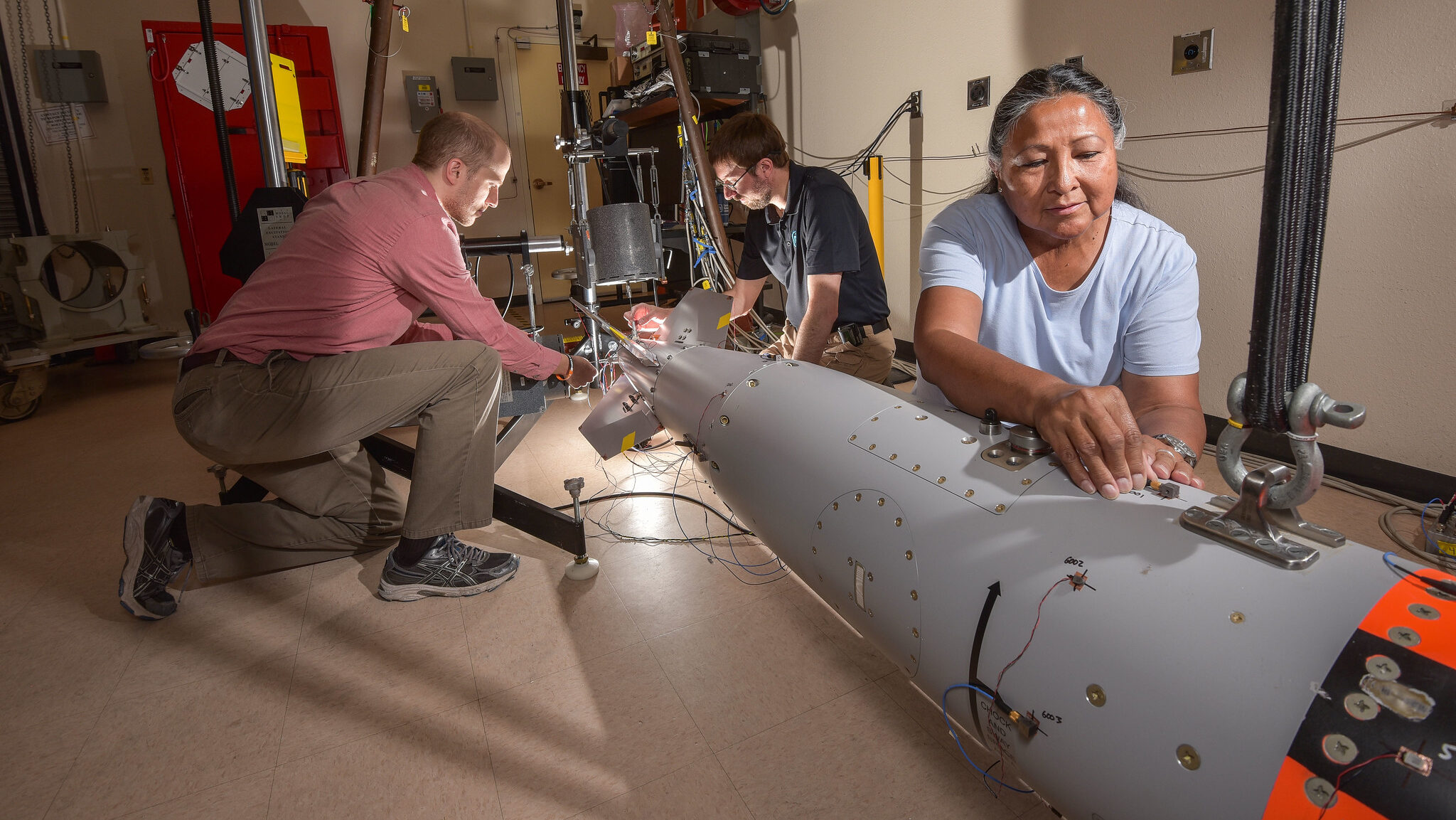
This resulted in a decision to update the existing B-61-3, -4,-7, and -10 variants of the bomb, which were now getting on in years in terms of the nuclear ‘pit’ that forms the explosive element. The United States had not produced a new nuclear weapon ‘pit’ since 1989, choosing to recycle and refurbish existing ones for the foreseeable future.
That policy has now come to be seen as too short sighted and the old Pantex plant in Texas is now mostly history. As a result the US has completed a new facility a Los Alamos called PF-4, where new nuclear pits will be manufactured for the warheads of the future.
Some of the first new pits are planned for the B-61-13 variant of the bomb in the coming years, which will have a yield of 10 to 360Kt, but largely for use on the B-21 Raider. Others will equip the 1kt Trident Missile warhead and the SLCM-N which the Navy is opposed to but Congress has mandated be available by the end of the decade.
For the most part the bomb’s old casings have been fully refurbished to as-new, with new electronics, new parachutes capable of retarding the bomb’s launch speed from Mach-2 to just 35mph in 2 seconds, and new altimeter detonators, as well as improved security and accidental detonation prevention features.
While the bomb has been updated the warheads have been refreshed but are still the original pits with DAY (dial-a-yield) selectors that can now be determined by the delivery aircraft up to the last minute, rather than have to be selected at time of loading. Yields range from 0.3Kt, to 1.5Kt, 10Kt or 50Kt.

The way these weapons are able to be secured is through a series of ‘Stronglinks’. known as ISS (Intent Stronglink Switch) the B-61-12 has an updated version of the 14 pin ceramic insulated switches used on the donor -7 variant bomb. These close when they receive the correct Intent Unique Signal (IUQS). Once closed the switch is active and the bomb is good to go. The second series of Stronglinks is a dual channel system which stops the two parts of the detonators going off. These mechanically lock if the wrong code is inputted – and they can’t be reset without returning to the factory. There is a third system but how it operates remains classified, just that it prevents the bomb going off inside certain geographical limits.
However while the 180 bombs now rush-deployed in Europe may have multiple safeguards, they have one that may mean even when they need to be used they won’t be.
NATO’s requirement for using the bombs is that ALL members agree in consensus that they need to be used. In the middle of a major military crisis, getting all the ambassadors to agree to such an action I suspect may be impossible. Indeed my feeling is that if a small majority agreed that would be enough, and if not then the US would delegate it to SACEUR – it would be near impossible to stop their use given time and pressing need. The French air launched nuclear weapons and their SSBN fleet are not allocated to NATO and remain under direct French control. Britain technically allocates its SSBN force to NATO in peacetime, but it would almost unquestionably operate under the red card system of superseding primary national interest.
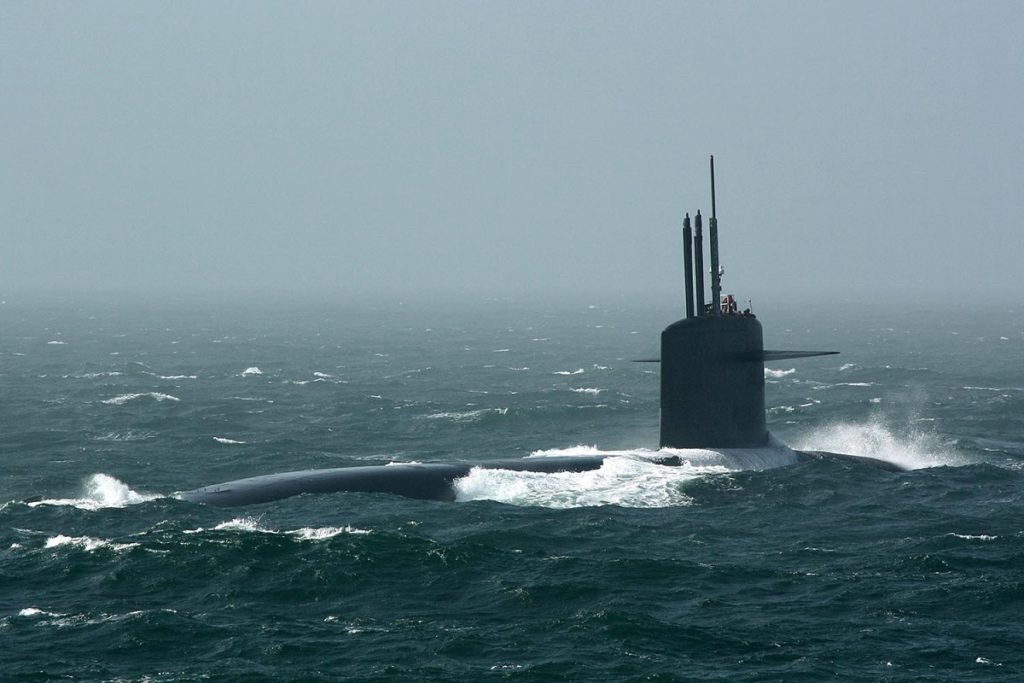
The British operate a twin use system. For example if the country was attacked and the government in a position to order a nuclear counter attack, then that’s one method. However if the country is devastated and there is no national command authority, the system reverts to the Prime Minister’s Letter. Each new Prime Minister, its pretty much the first thing they do on taking office and is said to be a ‘rather sobering’ experience, has to write a hand crafted letter saying what they want the captain to do. The letter is seen by nobody except the PM, and placed in the safe of the SSBN until needed. As one is replaced with another they are burned within minutes. However John Major and Gordon Brown both admitted they ordered that civilian targets not be hit, even if the UK was a heap of ash. Other options are that the submarine place itself under the command of the Canadians or the US, once it’s fired.
So even with the weapons in place, a clear signal to Russia that the capability exists, there’s no guarantee they’ll be used.

I think we’re long past the time when we can be so generous as to allow all the members of NATO to participate in what might be a rapidly required decision. Especially when you have Orban and Fico opposed to everything if it involves Russia.
What point is there to policies that cannot actually permit the effective deterrence we need? It’s all very well if the US is willing to go it alone – or even France for that matter, but a consensus would be hard to reach. However a consensus is a decision made by many, but there is no requirement for unanimity. Hungary and Slovakia may raise their objections, but they wouldn’t be able to change the outcome if a consensus was for use.
In order to require tactical nuclear use in the current environment, it would almost unquestionably be as a result of Russian first use. In such a situation a consensus is far more likely. The ‘burden sharing’ of allied aircraft being available, would also show a NATO rather than a national response – which is the whole point of it. Yet Russian first use would suggest deterrence had failed in the first place, in which case we’re already on very dangerous ground.
The Analyst
militaryanalyst.bsky.social

 The Military Analyst