
The UK strategic defence review was high on ideals and suggestions and one of the most far reaching – certainly the most expensive – was the (and I use the exact words here) up to 12 AUKUS Submarines target.
That is a high number of SSN’s. The plan is to deliver one every 18 months, a target which would have submarine yard managers the world over choke on their mid- morning coffee before laughing out loud.
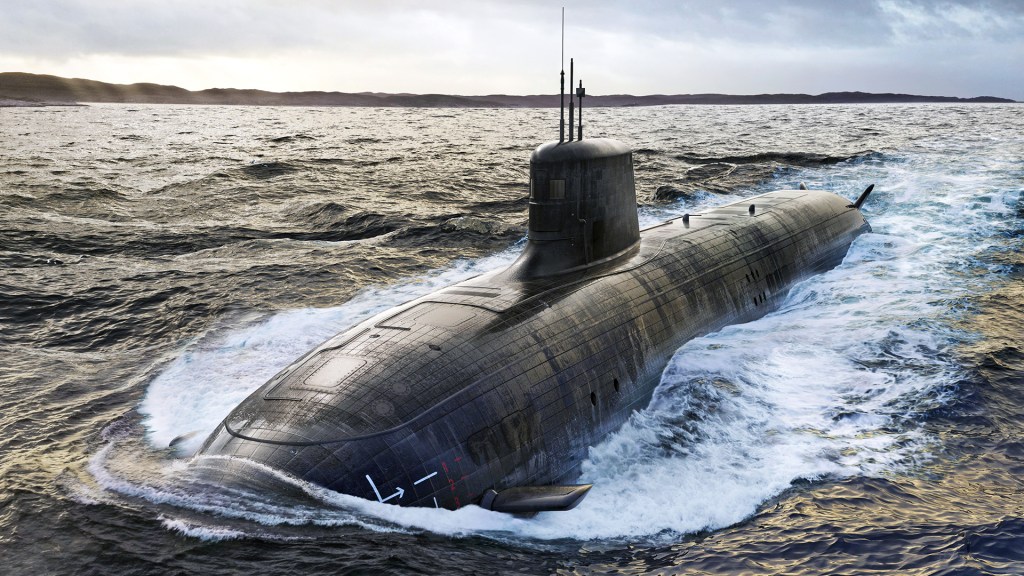
This is a world where the US can only manage 1.5 submarines a year and they’ve had a continuous unbroken production line for nearly 70 years. Their target is supposed to be 2. The haven’t managed that it almost two decades.
The current UK Astute class SSN – lauded as probably the best overall submarine of its type and with a record for outsmarting even the vaunted Virginia Class? The first one took 11 years to build. That was partly a self inflicted wound from the ‘peace dividend’ at the end of the Cold War. Having completed the Vanguard SSBN’s the UK elected not to build a new class of SSN’s in the early 1990’s. The nearly six year delay left submarine yards shuttered and an experienced workforce laid off. By the time it came to building HMS Astute nobody was around who knew what to do, the whole thing had to start from scratch. That lesson at least, has been learned.
The Astute class eventually settled into a pattern and the last pair are nearing completion as the three birth yard at Barrow in Furness converts to building the four Dreadnought Class SSBN’s. By the time the the second of those is in the water and the third and fourth under construction a space will open up for the AUKUS SSN.
That’s unlikely to be before around 2033/4.
These new subs will be a replacement for the Astute, not an as well as – unless there’s some overriding emergency.
To produce one every 18 months BAe will have to double the shipbuilding capacity at Barrow-in-Furness – the only place with the experienced manpower. All six slots will have to be allocated to building AUKUS SSN’s.
It’s not just BAe – Rolls Royce will have to increase production of nuclear reactors – not just for the 12 the RN will receive but to build the 8 needed for the Australian submarines. In total BAe will have to build 13 submarines – because one is being built for the Australians to learn how it’s done before starting on their own at home.
Every component manufacturer will have to double their production and secure resources to meet demand. Errors will have to be absolutely minimised to a tiny degree because we cannot have a situation as we did with the carriers where say, the propeller shaft was just a fraction out of balance – largely because the navy opted for the cheapest rather than the best. In the end both ships were, forgive the pun, shafted. Fortunately not at the same time, though it was uncomfortably close.
There’s also the nuclear fuel for the reactors – the UK has a massive reprocessing capability at Sellafield but its requirement to supply the type of fuel that lasts 25 years – the projected lifetime of the submarines – is minimal. Let alone produce enough weapons grade material for the Trident-2 new warheads set to cost £15 billion for 260.
The problem is that BAe isn’t going to build a new shipyard on site and invest in massive recruitment and training – the best part of £1 billion at a minimum – without a firm contract and that’s something governments are loathe to sign until they have to. So every day they don’t and the submarine yards aren’t expanded, is one day longer before an AUKUS SSN gets underway. The current government is financially pressed and can’t give the commitment when it doesn’t know it can pay for it. The only way this will get off the ground is if other previously sacrosanct projects and expenditure is cut. That’s a reality that a Labour government struggles with, but the ball has fallen in their court after 14 years in opposition.
Every Prime Minister will say that the defence of the nation is their first responsibility – this time they have to deliver and it not just be empty words. The wider defence review is even more expensive.
The price of each submarine is expected to be £3.4 billion at today’s prices. The program is overall going to cost £40 billion. But it’s the capital outlay sequence that has as much bearing.
For example the Dreadnought SSBN’s are taking up something like 60% of the new construction budget for the entire armed forces. There’s a three year peak where all four are under contract and requiring funding and we’re just about to enter it. Imagine how that will work with six SSN’s under contract almost continuously for a decade.
Then there’s the other two big issues. Naval manpower and recruitment/retention and shipyard maintenance for an increased number of submarines.
Let’s take the maintenance issue first.
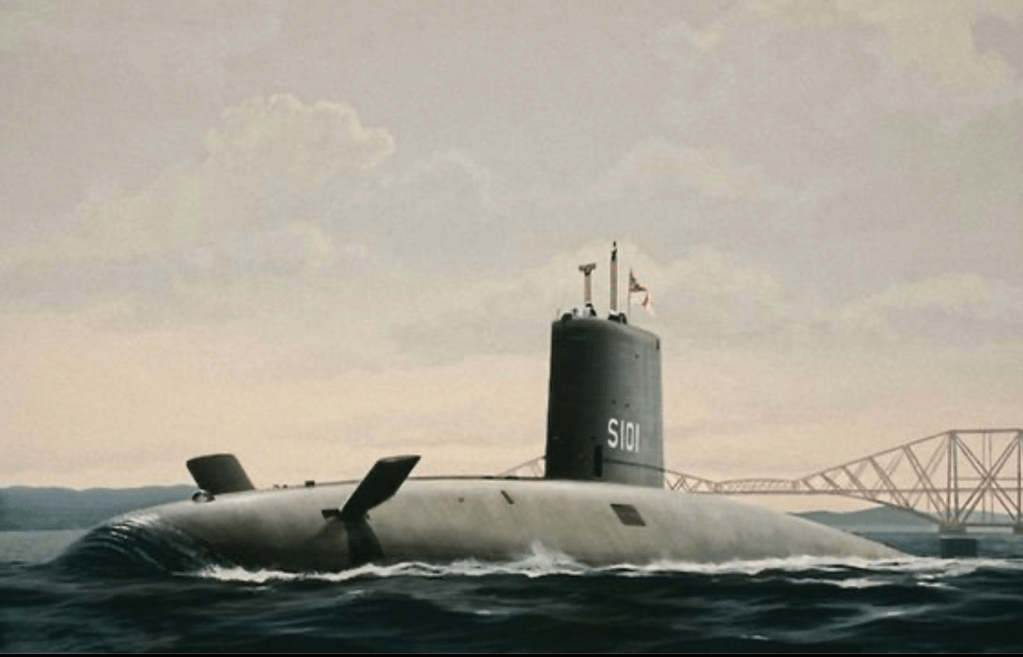
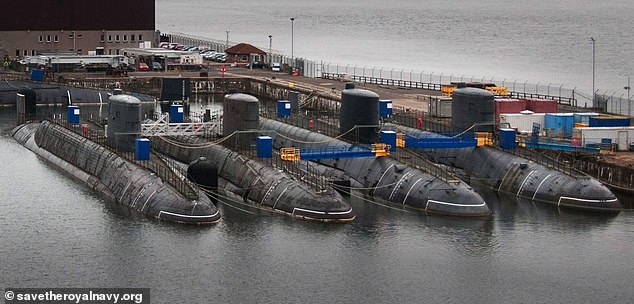
Devonport and Rosyth have been holding every single UK nuclear submarine ever built. Only one of the old SSN’s, Swiftsure is being dismantled, in a pioneering project to speed up the process that’s working quite well. But they can only manage one at a time. One, HMS Courageous has been turned into a museum at Devonport.
A proposal to remove the ‘dead’ submarines from their £100m per year graveyard maintenance – yes its costing that much to keep useless hulks from deteriorating and becoming dangerous, which includes repainting them every couple of years – is to move them to Newcastle-Upon-Tyne and a specialist scrap facility. That will provide new jobs and a skilled work force because there are estimated to be 30 years of work in taking them apart, and it will be an ongoing process. By the time the 20 below have been dismantled, four Vanguard SSBN’s will be added, and over the following years 7 Astutes. Managed well its an indefinite process. Getting something done is urgent, because the original UK SSN, HMS Dreadnought is 1959 vintage and was decommissioned in 1980 – she’s been sat awaiting dismantling for 45 years!
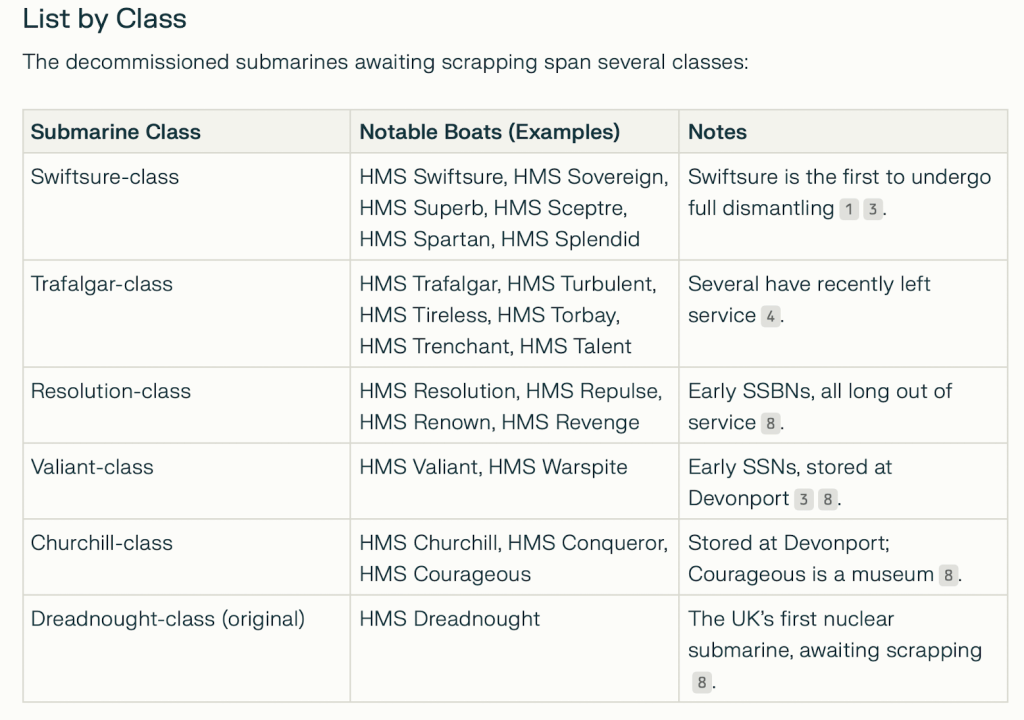
So just to add to all of the new build cost there’s the cost of finally facing what to do about the old. However if they are moved, and the new facility comes on line, that will give the navy at Devonport particularly, the space to use the docks for maintenance and expand that operation for the new submarines.
This will be vital because BAe have been conducting deep maintenance on the SSBN fleet at Barrow-in-Furness pier side. A space that will need to be developed for a second covered yard for the AUKUS program.
Building these submarines is a huge industrial undertaking. Partly the government is seeing this as a major boost to British industry and much of its rationale is that if we must do this (and we must), then domestic jobs and industry as a whole must benefit. Yet the great caveat, ‘up to 12’, is the big get out clause they always like to leave in, and it’s that that always makes industry so nervous of committing.
Recruitment and retention has been a huge issue. Naval recruitment has always been easier than Army and Air Force, but pay has been an issue, now being redressed. Housing for the armed forces has been a government created tragedy. They put housing out to a private contractor and the result was a complete disaster. Moldy homes, terrible maintenance, atrocious conditions. It was all made worse by strict military rules that require the occupant to be responsible for the good state of the property when they left it. This led to many, many disciplinary disputes because the state of the housing stock was so poor, personnel felt aggrieved by the process and left. Never mind the low morale issue around the state of the properties in the first place.
Finally last year the new government repurchased the housing stock and a £1.5 billion program of refurbishment and rectification is underway. We as civilians cannot underestimate the importance of these subjects – treating our service people as we would expect too be when we put our lives on the line, is of paramount importance. It’s vital if we are to retain people, host families and make life bearable during long deployments.
The maintenance issues in the fleet generally but in the SSBN force especially have been dire. The Vanguards are hugely complex and the Rolls Royce Reactors were not the best. They needed more maintenance that lasted far longer than it should have. The principle of having a minimum of four SSBN’s is that one is always out on patrol. One in deep maintenance, one in light maintenance and one always preparing & training and available to replace the one at sea. Its reached a point where one was in extended deep maintenance while another was in deep maintenance and the third was in maintenance and not immediately ready, with a fourth at sea.
This led to a series of excessively long patrols – they’re supposed to be 90 days. HMS Vigilant completed 195 days in September 2023. HMS Vengeance set a new record of 201 days in March 2024 having been the Vigilant’s replacement. The Vanguard began a patrol in late August 2024 and returned to Faslane 204 days later on 17 March 2025.
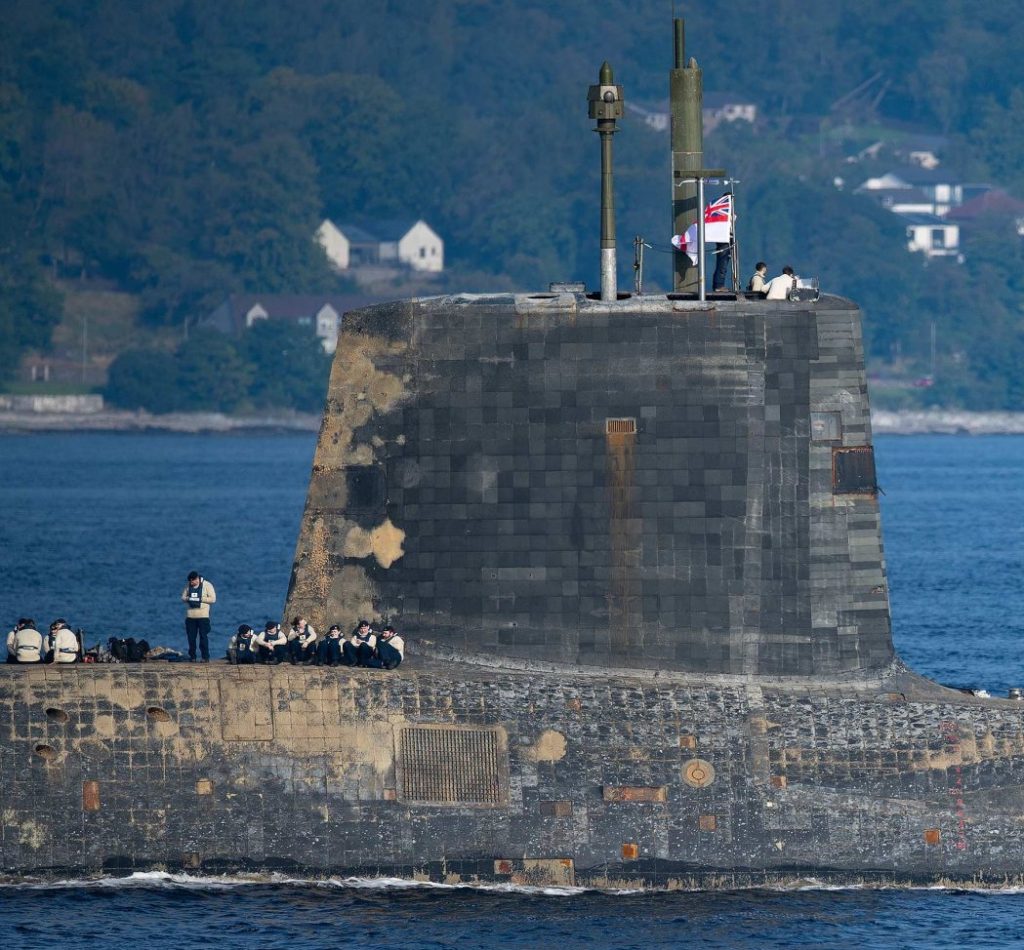
Crew have privately reported that there was almost nothing to eat at the end of the patrol. The were scrabbling around for scraps and full meals had long been a thing of the past. If you know anything about submarines you will know that meals and mealtimes are absolutely critical to the boat’s morale from day one out. Storing enough food to last even twice the patrol time would have meant that every last space on the boat was used up and there would have been barely no room to move. This type of patrol is responsible for a high exit rate of submariners .
It’s not easy finding people with the mentality of sitting in a metal can quietly roaming the waters of the world, cut off from friends and family, the world in general. They don’t see daylight for months and fresh air is unheard of. The first thing you get used to is the smell. You cannot have these valuable people mistreated or taken advantage of because government won’t pony up the money to treat them as well as they should be. And that includes funding the maintenance of the submarines and getting the work done as soon as needed, rather than when it can be afforded.
Yet submariners put up with a lot and many of them will tell you it’s one of the most exciting and rewarding careers in the military – the comradeship and the skills are unquestionably unique.
With the possibility of nearly doubling the SSN fleet, one of which will be needed to guard the SSBN for the duration of its deployment in the coming years, we cannot take our naval personnel and submariners especially, for granted. With a less than stellar reputation in this regard, recruitment will not be easy. We have to do much better. Reliable submarines, dependable maintenance, quality housing and good pay all go hand in hand. Fail to remember that and there’s no point to any of it.
FUTURE THREATS
We’ve seen a lot about drones in the past week or so. Ukraine particularly, Iran, Russia, all have advanced drone technologies and uses far beyond anyone’s expectations even six months ago let alone four years. Naval Drones are entering service on the surface and underwater. Finding a submarine operating in the depths of the oceans is no easy task. For a submarine or a surface vessel. But for a swarm of drones tasked with scanning huge blocks of the undersea world?

How long before deep sea possibly networked hunter drones can look for and trace our most vital asset, the SSBN? Because if that day comes the whole nuclear deterrent posture is instantly rendered useless. Manned submarines will go the way of the dinosaur pretty quickly if any of that becomes true. Are we embarking on a lost cause or the last shout of the manned submarine? Only time will tell, but my money isn’t on the expensive manned platform in the long run.
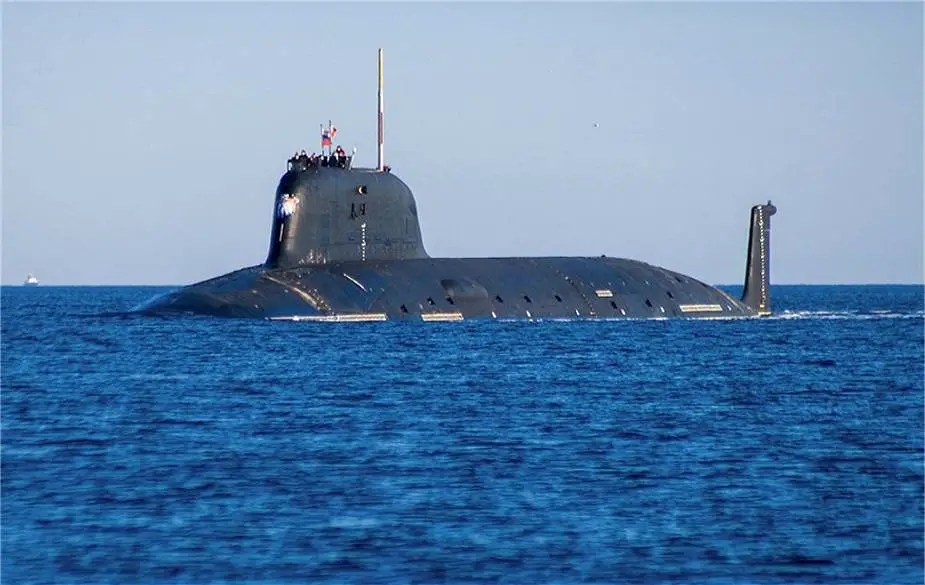
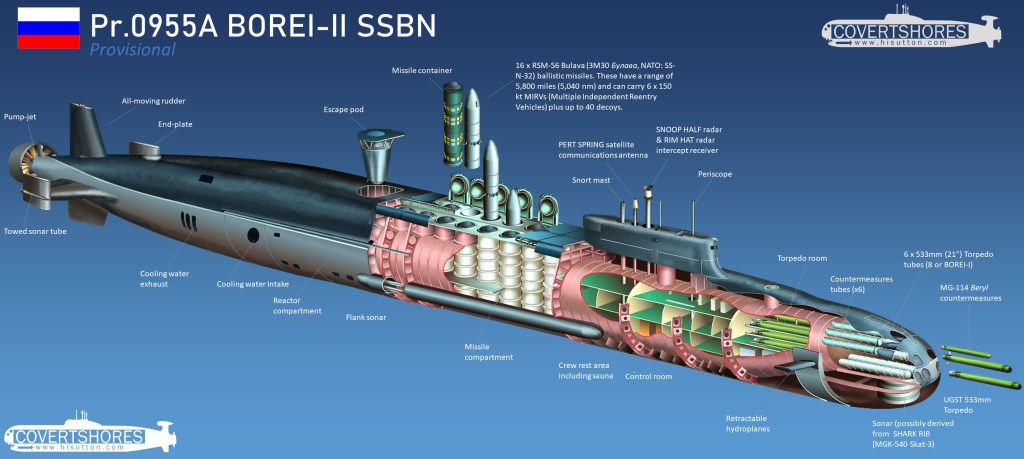
For now we have to concentrate on what we’re doing and why we’re doing it. It may be just as important that they exist and are seen to exist in the eyes of our enemies, their mere existence a deterrent and a warning to any aggressor – Russia especially – whose submarines are outstanding vessels and incredibly capable. The Yasen-M is said to be so nearly undetectable that it’s been lost when for short periods it’s even been tracked. The Borei SSBN’s are incredibly difficult to track. They’re all a threat to us and we must be ready. Sooner rather than later.
If the UK is serious about this and means to make it happen – and it has plenty of doubters – then it will indeed be a revolution in UK submarine building capability. Get it right and we have the opportunity to maintain an unprecedented viable submarine fleet for the rest of this century. Get it wrong and we’ll all potentially rue the day.
I believe Britain can do anything if it puts its mind to it. It’s just very easily distracted by mealy mouthed politicians and populist ideologues who sound good but look out only for their own fortunes – political and monetary. If we cannot see past the populist ‘Russia is our friend brigade’, this country is doomed. It will take iron will and explanation to get the public on board with these programs. To make them see that we cannot be complacent. Even with Putin gone, worse will follow.
The Analyst
militaryanalyst.bsky.social

 The Military Analyst
For your attention:
militarnyi.com/en/news/pentagon-launches-review-of-aukus-agreement
LikeLike
Yes, wrote about it on BlueSky.
LikeLike