
Russia extended its control over the Kazakh steppes and Central Asia across the 18th and 19th centuries, through a mix of treaties, military campaigns, and settlement policies. By the late 19th century, what became the ‘Kazakh steppe’ was under imperial Russian administration, setting the stage for later Soviet governance.
In 1920–1925, the Kazakh region was reorganized within the Soviet framework as the Kazakh Autonomous Soviet Socialist Republic (and later the Kazakh SSR as a union republic). This period established the administrative and political structures that persisted through Soviet rule.
Kazakhstan was the victim of a long list of atmospheric atomic and thermonuclear tests from 1949-1960 and underground tests until 1991. Large areas of the tests sites are still considered uninhabitable due to high cancer and deformity rates, yet many still live there, largely impoverished farmers.
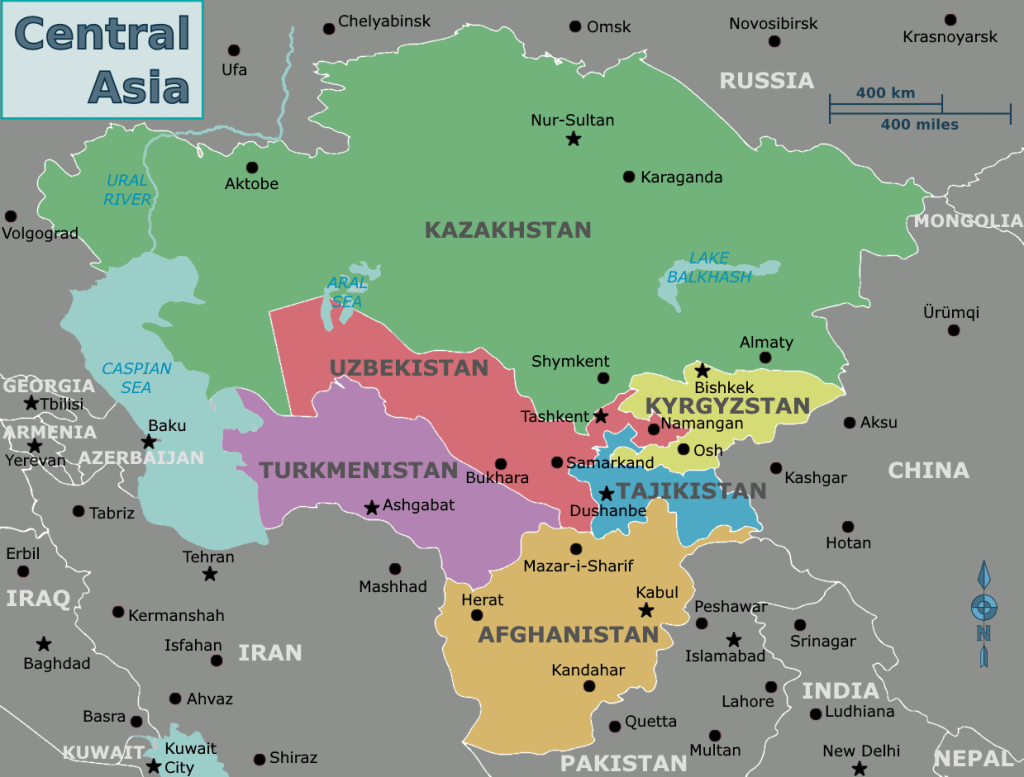
Following the failed August 1991 coup in Moscow and the subsequent dissolution of the Soviet Union, Kazakhstan proclaimed full independence on December 16, 1991, becoming the last Soviet republic to do so that year. This coincided with the formal breakdown of the USSR in December 1991. Other former Soviet republics followed suit into 1992.
Republic of Kazakhstan (Kazakh: Qazaqstan Respublikasy) has since been an independent sovereign state and a member of the United Nations – the other Republics, Turkmenistan, Uzbekistan, Kyrgyzstan and Tajikistan all have a similar status. All have governments that are autocratic, largely handed down from former soviet era leadership, in a way, almost hereditary republics whose leaders owe their power to their fathers or near relatives, or happened to be on top of the pile when a succession arose.
All of them are technically still members of Russia’s CIS but that is becoming increasingly meaningless. The military alliance’s with Moscow exist now mostly on paper, though the Kazakh President needed an influx of Russian paratroopers to stabilize his regime after protests against it in January 2022. The political landscape has changed considerably since then.
The Kazakhs have the world’s longest international border – with Russia, at some 4,750 miles (7,640km). On top of that it has another 1,000 mile long border with China and borders three of the other four ‘stan’ states. It neighbors Azerbaijan across the Caspian Sea and to the south is Iran’s Caspian Sea coast.
Before the first Russian invasion of Ukraine in 2014, all of the states had a reluctant respect for Russia and its position. Russia considered them its nearly adult children whose independence was nominal and if the were told what they should be doing they would largely jump. Russia went out of its way to ensure they were closer to being autonomous rather than energetically independent. Being an autocracy, none of them were exactly safe in their beds and they all had enemies – they were happy to accept Russian security services and FSB ‘assistance’ in keeping their populations quiescent. Russia was happy to provide such services because it kept them tied to it.
The economic benefits of being tied to Russia however had already proven to be of little value. As the years passed the trade that went to Russia increasingly paled against what was going elsewhere. For Kazakhstan especially its increasing energy exports, new pipelines via Azerbaijan and exports through the Russian pipeline network, all proved increasingly valuable.
The Russian move against Kyiv in 2014, with the occupation of Crimea and the Donbas, reminded them all that they were on potentially dangerous ground if they stepped out of line more than Russia would tolerate. In many ways it was the catalyst that started all of them thinking they would have to play both sides against the middle to keep on the right side of Russia while they prepared themselves for increasingly independent actions.
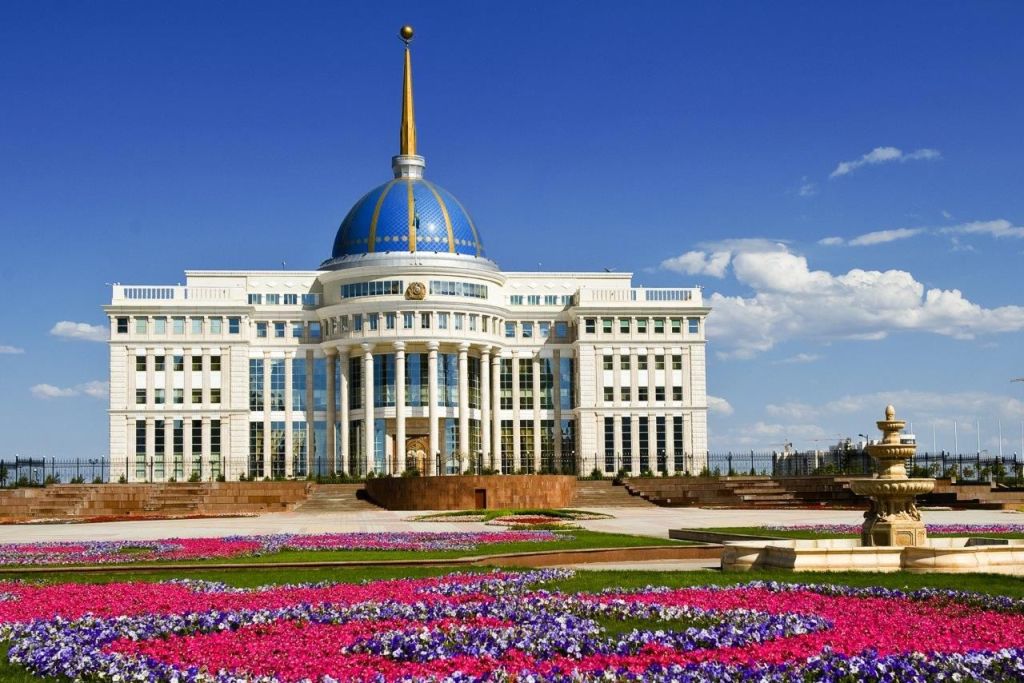
By February 2022 President Kassym-Jomart Tokayev of Kazakhstan, who took power in 2019 from long time leader and hang over from the Soviet era, President Nazarbayev, who was ‘persuaded’ to resign, faced many issues. Not least the presidential election which was a tightly controlled set up as you’d expect. The public largely thought he was a puppet of the Nazarbayev family who still held important positions in the security services and government.
Public discontent soon materialized; large protests and civil unrest, particularly in 2022, highlighted widespread dissatisfaction with living standards, government accountability, corruption, and economic inequality. Tokayev has tried to implement reforms aimed at “political modernization,” but progress is painfully slow and complicated by entrenched elites from the Nazarbayev era, unwilling to give up any of their privileges and power. Kazakhstan is technically not a poor country given its oil and gas revenues, but wealth is squandered by those who run the companies involved and it doesn’t really benefit the people in general, leading to a very wide wealth gap.
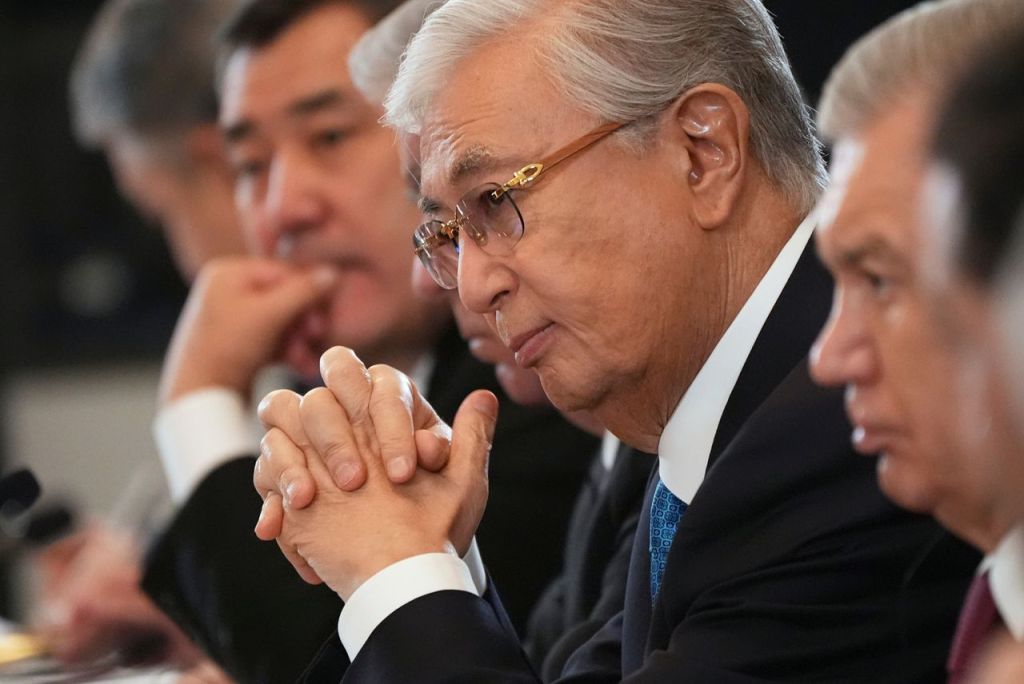
Inflation, stagnant living standards, and demands for greater economic opportunity have shaped policy challenges, prompting both government crackdowns and pledges of change that are slow to materialise. Tokayev presided over a violent response to the January 2022 unrest that included mass detentions and raised questions about human rights and the state’s stability, and he had to call in Russian forces as I said above. It is not something he wanted to do but the regimes hold on power had become very tenuous.
Since then Russia has faced a desperately humiliating war in Ukraine, where its military might – the thing that all of the Stan states were ostensibly afraid of, has been largely turned to dust, Russians fled the country in literally millions over the past four years, taking shelter in Kazakhstan, where they can live visa free. Tokayev faced some opposition from letting them in as it sent rents skyrocketing. Pressure from Russia to force them to leave was ignored by using the very agreements that allowed the visa free travel as an excuse. It quickly dawned on the Kazakhs and others that these workers would be paying tax and bring skills and money into the economy it had never had before.
As Russia mired itself deeper and deeper into the war it started with Ukraine, as its industries, oil refineries, and military became increasingly and very obviously incapable of doing anything beyond providing for the war, its currency began collapsing and sanctions gnawed away at its economy, the Stan states began to look far beyond the Russian sphere they had been trapped in. Their fear reduced in direct proportion to Russia’s demise.
Not only were they no longer afraid, they were increasingly worried that their economic ties to Russia in the long term were going to be a problem. They needed to diversify, find new markets and new ways forward. Along comes Trump, not in the least bit bothered with human rights and very much a friend to authoritarian leaders trying to hold on to power against the wishes of their people.
The Kazakhs particularly have something America wants – rare earth minerals. As China does its damnedest to restrict them – it holds 80% of the worlds supplies and 90% of its refining capacity, Trump has become obsessed with finding ways of bypassing China. Oddly enough for everyone in the collective west, this is actually a good thing. China is using the minerals – critical in the microchip and defence industries – as a bargaining chip and the Americans don’t like it, frankly none of us should.
Yet the Kazakhs and their sister states know they must still hedge their bets, they must use language that doesn’t rile Putin or damage their relationship in an obvious way. While at the same time they also quietly become less docile, less compliant, less dependent and the plan seems to be, Russia will wake up one day and find that all of its neighbors now have a normal, and not instantly compliant relationship with it that it can do nothing about. It’s like having a partner you’ve lived with for twenty years who slowly moves out their clothes and furniture. Suddenly one day they don’t come back and you never noticed them leaving!
In order to attract Trump, you have to find a new way to get his attention, short of bribery and gifts, abject flattery doesn’t always do it by itself. Instead Kazakhstan and its neighbors have moved towards the Abraham Accords, signing up to them in Washington last Thursday. Many ask why does a country that has had normalized relations with Israel for 33 years need to sign up? There is only one real answer, because the accords are more than a little weak right now, Gaza saw to that, and the Israelis strike on Qatar went down like a lead balloon in the Arab monarchies.
Quite simply, Kazakhstan is sucking up to the Trump regime. They give little away, gain Trumps attention and praise, and frankly it’s a very cheap price to pay for a very high potential return on investment. Their principal aim is to diversify their dependencies geopolitically away from the failing power of Russia. They’re expecting Russia to fall apart either during the war or after it and they can clearly see the writing on the wall. They don’t want to be dependent on or subject to China which is directly opposed to the religious tendencies of the Muslim populations of Central Asia. They cannot trust or risk being involved with a collapsing Russia. So the only real way to go is America. And it’s a big deal for both countries.
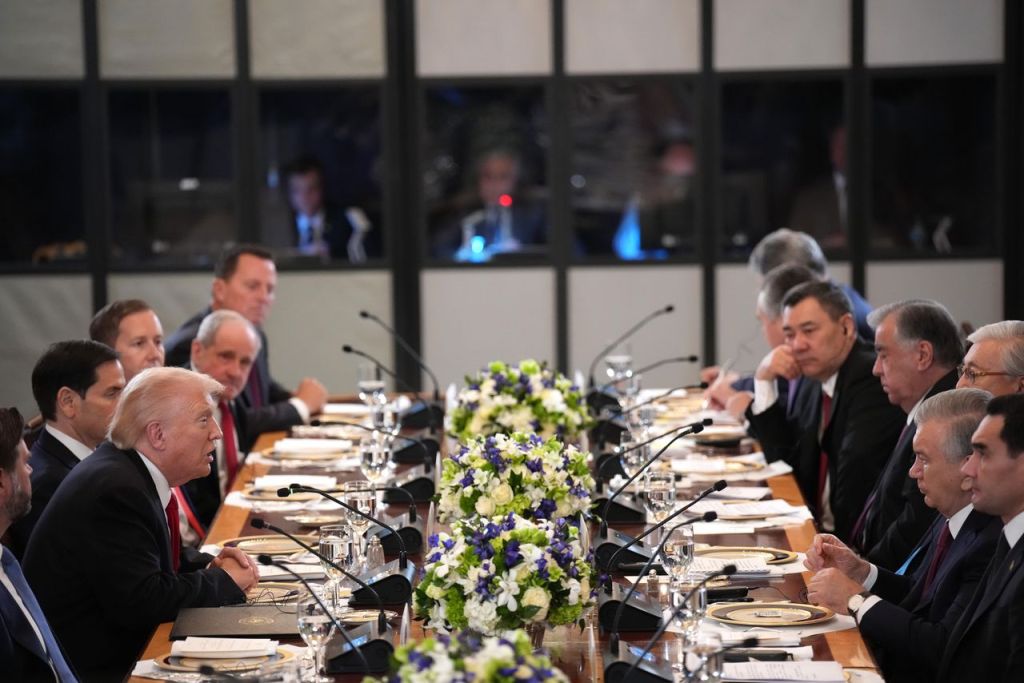
Tokayev delivered a package of deals involving his country and the United States that’s worth more than $17 billion. These include agreements from Kazakh companies and ministries to buy new Boeing 787 airplanes, new John Deere agricultural machinery and even cutting-edge AI chips in partnership with U.S. giants OpenAI and Nvidia. There were U.S. investment deals in Kazakhstan’s reserves of tungsten, a metal that’s used in myriad industrial processes, as well as a memorandum of understanding over the development of the country’s vast trove of untapped critical minerals. The Americans of course are pleased.
Moscow has not missed what is happening. Kazakhstan’s closing of the borders for sanctions busting goods has held up trucks into Russia for as long as ten days. The north of the country is largely ethnic Russian speaking and the Kazakhs have found Russians stirring up trouble. Putin has several time said the he doesn’t see Kazakhstan as a truly separate state, and that its really part of Russia. All too familiar sounding lines.
Kazakhstan is taking advantage of Russia’s weakness to find itself new friends and new opportunities. If by some miracle Putin survives, they don’t want to be next on his hit list, and if he doesn’t they know they need alternatives because they can’t rely on their former colonial master any more – indeed it would be dangerous to do so.
The Analyst
militaryanalyst.bsky.social

 The Military Analyst
Thank you TA for an article about a part of the world I know very little about. Clearly that needs to change. Europe+ countries clearly need to move quickly to ensure they too can benefit from none Chinese resources.
LikeLiked by 2 people