
For decades China has adopted a policy of never firing nuclear weapons first, and its number of warheads was largely regarded as being around 200-300, they never said how many they had and they were a secondary concern for the nuclear super powers, Russia and the United States.
China’s nuclear strategy was essentially, ‘you start a fight and we will finish it’.
The days of Mao’s propaganda videos showing cavalrymen on their horses, both animals and men wearing gas masks, charging toward the ground detonation of China’s first nuclear test in 1964, like some medieval maniacs imbued with communist fervor, are long gone.

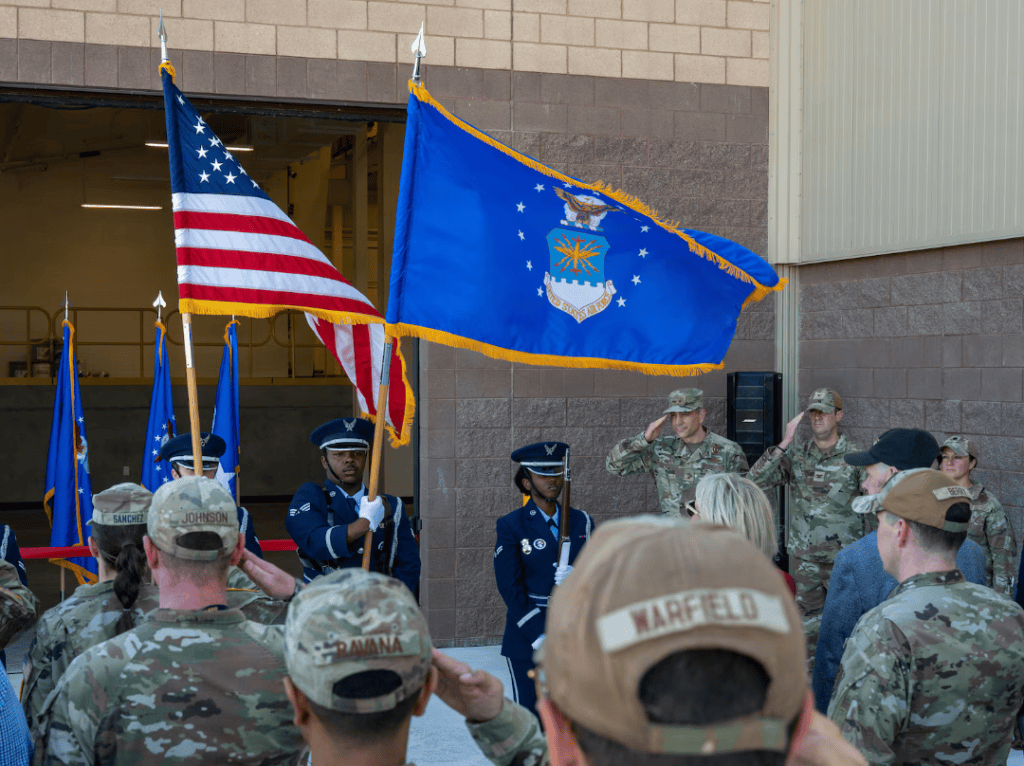
Just before the recent APEC meeting a weird set of nuclear posturing clips were published. The Americans demonstrated the new B-21 Raider test dropping its first dummy nuclear bomb, and the USAF Global Strike Command issued a video of the first Sentinel ICBM test silo and stage processing facility going live at Vandenburg. A day in to the APEC summit a Minuteman-III was test fired into the Pacific from the same base, a routine but mildly suspicious coincidence. At the same time the Navy announced that the first Colombia Class SSBN USS District of Columbia, would in fact be ready by 2028 as originally planned, not 2031 as had been feared.
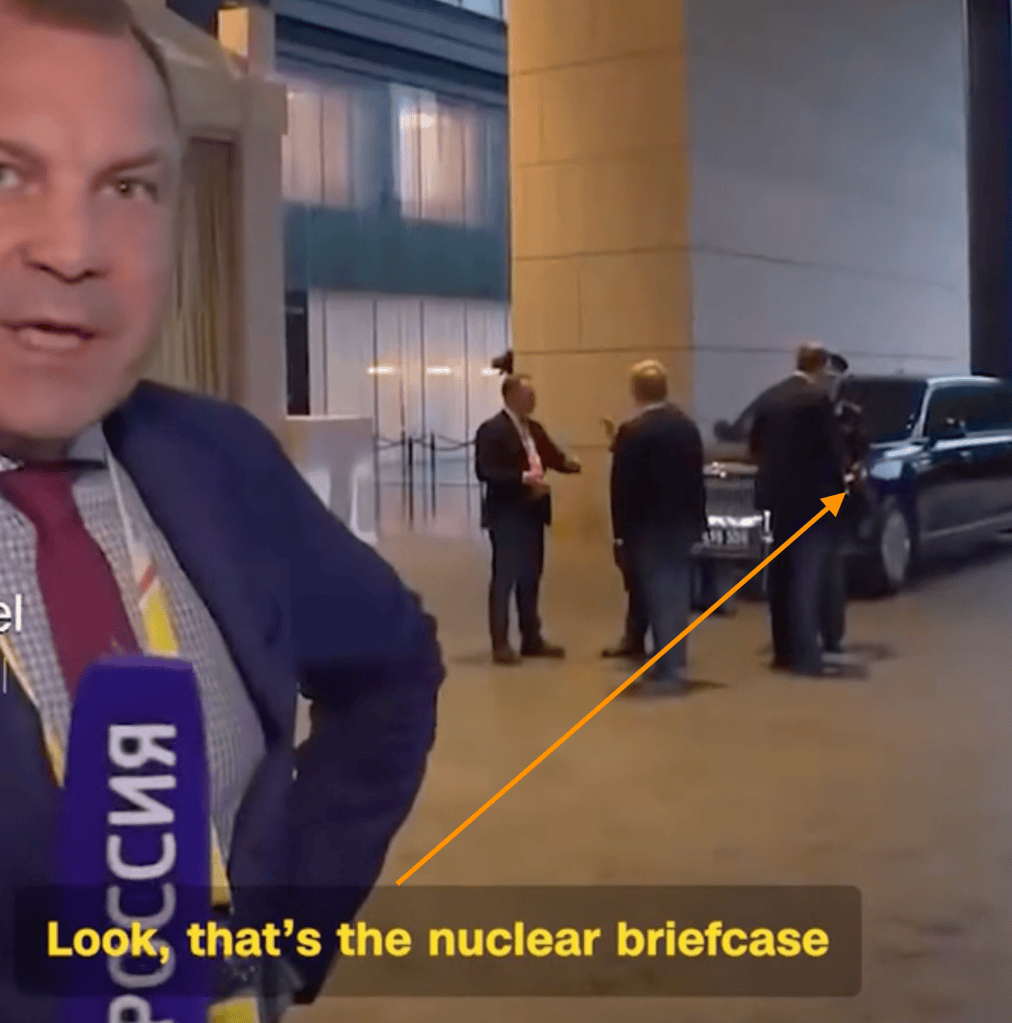
Russia published a news clip – and this is exceptionally rare – showing the naval officer who accompanies Putin (usually out of sight), carrying their version of the ‘nuclear football’ briefcase known as the Cheka. The reporter actually spoke to him and asked if that was indeed what he was carrying, to which he cheerfully answered, “of course, yes”. Nothing could have been more contrived.
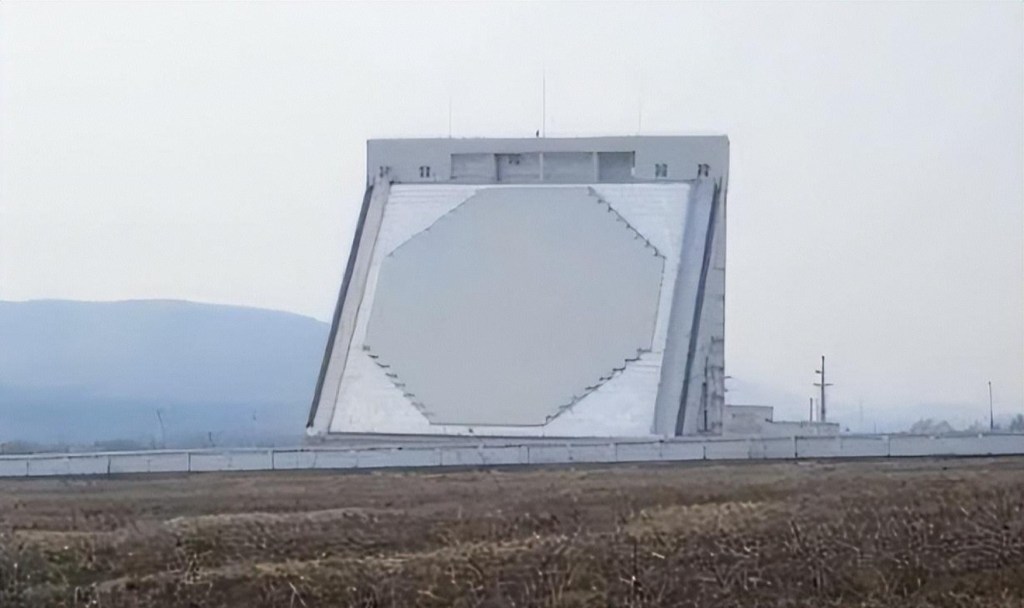
Just as the conference started China announced a dramatic change to its nuclear policy and its new command and control chain, as well as admitting that Russia was helping it build a vast new missile launch detection radar.
China’s change of policy is based on a dramatic rethink of its command and control system – the old guard command was gutted two years ago during a Xi purge. The new command structure is far more streamlined and connects to China’s new policy: Launch On Warning.
China has officially joined the club of hair-trigger responders. The fact is it has done so only because the US (which has never said it will not launch on warning, despite Obama, Clinton & Trump all saying they would end the policy and not doing so), and Russia which has also not said it would not launch on warning, maintain that stance.
China’s nuclear weapons total has climbed from around 300 to 620, is expected to rise to 1000 by 2030 with production at around 100 new warheads per year, it will reach 1500 by 2035, sufficient to match the United States if it maintains single warhead per strategic weapon deployments – there is no longer any legally restraining treaty enforcing warhead limits. Increases in tactical nuclear weapons – on land and on carriers at sea are also noted. Large scale nuclear missile deployment training has also been undertaken, with 3 ICBM’s launched into the Pacific and another 4 a couple of weeks later.
Chinese military doctrine writings make it clear why this policy matters: Taiwan.
China doesn’t want to use its nuclear weapons, indeed they maintain their constant mantra that a nuclear exchange is unwinnable and must be prevented at all costs. An APEC statement signed by Trump, Xi and Putin said as much. Except the Russians and the Americans both hold deep doctrinal beliefs that in some circumstances it can be won, although its mostly the Russians who think that these days.
China’s strategy now is that by having parity with America in the event of a conflict over Taiwan, that if America found itself on the loosing end of the conflict, it would attempt nuclear blackmail which China could not resist. By having an equal and opposite reaction in its own sizeable arsenal, Beijing believes it has neutralized the blackmail threat. Its own deterrence capacity renders American superiority useless in the nuclear field, and with Taiwan so close to China, there’s effectively no way on Earth America can win – and it would face huge conventional losses that would humiliate it – namely the loss of one or two carriers – and that alone would reduce American power and influence in the world dramatically. Once everyone sees they can be defeated, their power of intimidation fades dramatically. China believes its deterrent capability will actually give it what it wants if it chooses the military option.
So China has more weapons, shinny new BMEWS radars and IR satellites, and a command chain designed to go from detection to the authorized retaliation commander (Xi) in rapid order. And it has the policy that allows no room for mistakes. Its just another point in an increasingly dangerous chain of potential errors that could set off global nuclear war.
You would think we had learned enough by now. Apparently not.
The Analyst
militaryanalyst.bsky.social


